
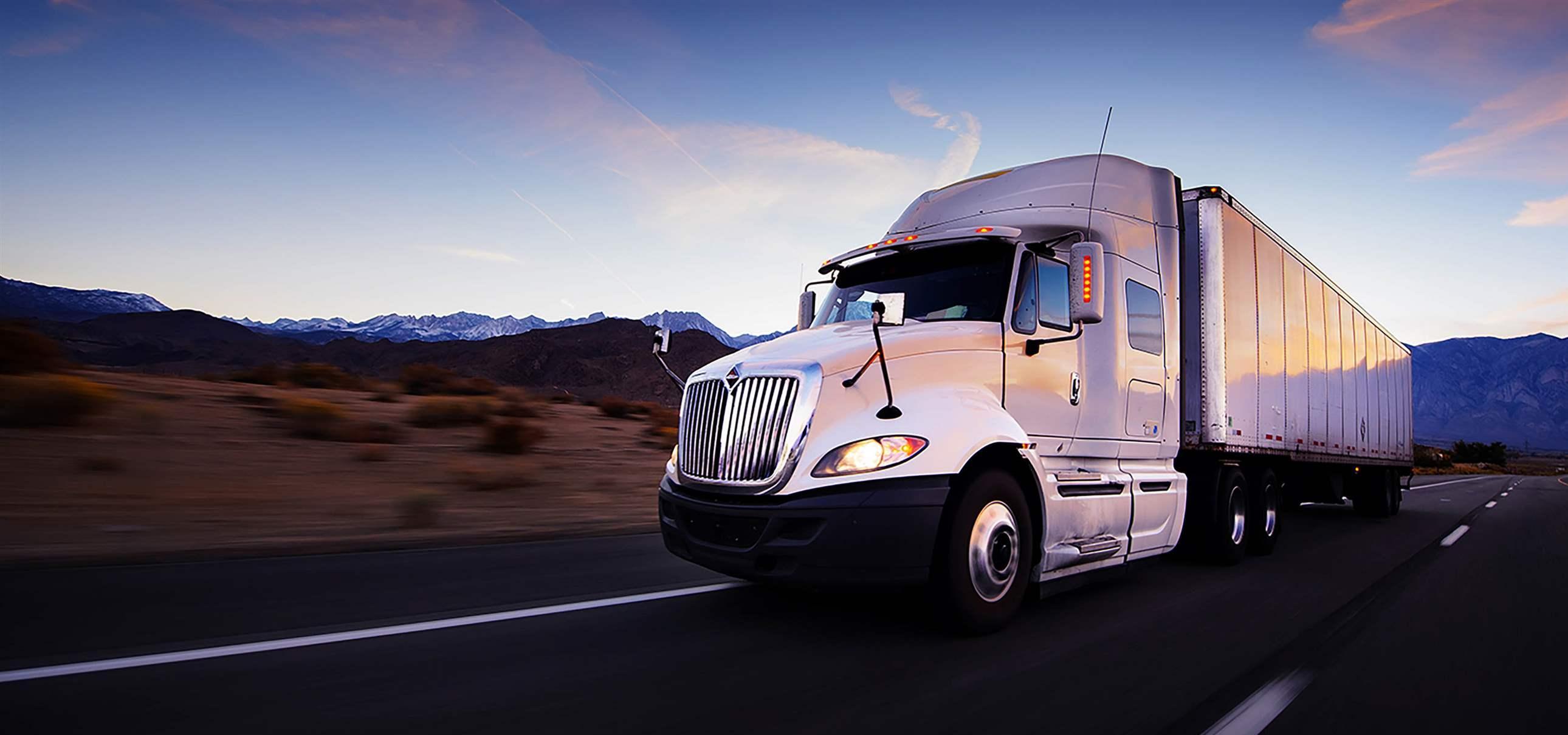
The "uberization" of trucking, sometimes called freight consolidation, refers to using app-based technology to put empty truck space to work. These apps connect those who need to move goods with those able to move them, much like ride-hailing connects riders with drivers. The cargo may be a container of oranges instead of a passenger, but the idea is the same.
Truckers often drive to their destinations with room to spare. App-based freight matching is one way to increase efficiency and solve excess-capacity problems. Freight apps let drivers know when someone is willing to pay them to move goods in their available space. A shipper logs in and enters shipment details, including the what, where, and when. Drivers then see the posting along with the offered payment and can book the job directly from their phones.
Parts of the trucking industry remain surprisingly old-school, with people calling each other to schedule pickups and faxing paperwork to confirm shipments. That's changing fast. Technology, from communications tools to artificial intelligence, has the power to propel the sector forward.
Advantages of App-Based Freight Matching
App-based matching lets more shippers take advantage of direct-to-carrier rates and connects shippers and drivers quickly and effectively.
These apps also run around the clock. As one industry leader put it, "You have a true 24/7 network; it's not just working on the same schedule as a broker, which means you have more options."
Freight apps also help prevent empty loads. Keeping trucks full on every leg is a great way to lower costs, and shippers get a fast, cost-effective way to move goods. Other advantages include real-time tracking, dynamic scheduling, and transparent pricing. The benefit of quickly matching shippers to drivers can't be overstated, especially when shippers can follow along online and track their deliveries.
Challenges That Come With It
Every business model carries risks. In trucking, hurdles include moving perishable goods in time and complying with health codes across different industries. Shippers may also need more flexibility in pickup windows.
Another challenge is that different goods, such as food, vehicles, or electronics, require specific types of carriers. When a shipper needs a specialty truck, the pool of available drivers shrinks. Freight apps help here because they're built for speed, creating shorter wait times.
Building trust between shippers and drivers quickly can also be difficult. But over time, shippers and drivers alike build confidence through the platform, knowing they're getting good service and fair deals.
The Future of On-Demand Trucking
The future of on-demand trucking is nearer than people think, and major players are already moving into the space. Platforms that match cargo needs to truck availability keep gaining ground, and there's a large, growing market for freight-based apps.
App-based freight matching is the new frontier. It increases efficiency, cuts costs, builds a network of drivers and shippers, and reduces paperwork. The best way to ease supply-chain pressure is to foster strong connections across the industry, and freight apps give companies the tools to do exactly that.
Move freight smarter with Doft
Thousands of loads, instant matching, and fast carrier pay — all in one place.
Sign up free