
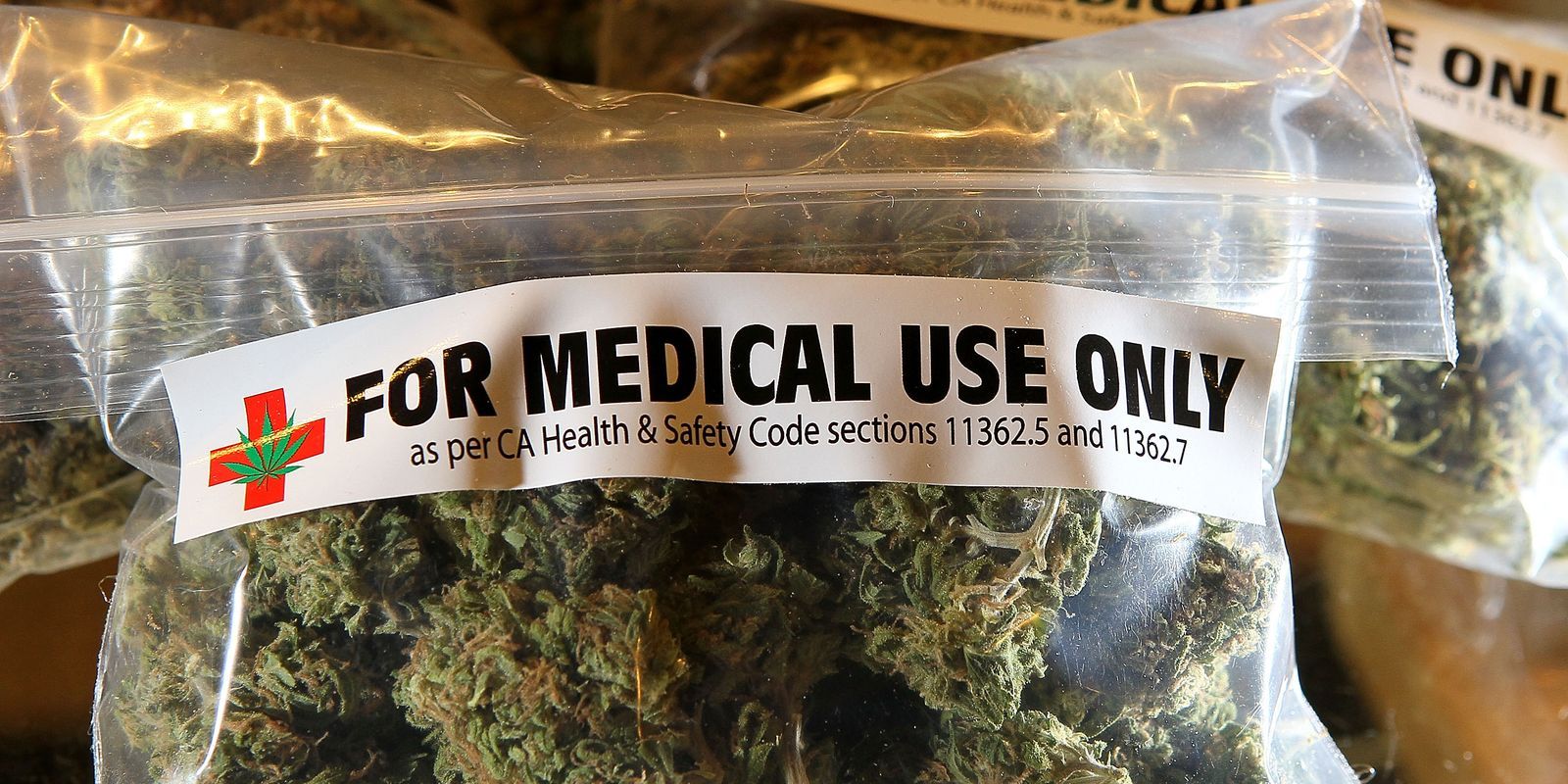
As more states legalize marijuana, it has become a growing compliance issue for the trucking industry - and a source of real confusion for drivers. The short version: no matter what your state allows, marijuana remains off limits for commercial drivers under federal law.
A Widening Gap Between State and Federal Law
Recreational marijuana has been legal in states like Colorado for years, and drug tests indicate more drivers and applicants are using it. Even as more trucking companies and CDL schools warn candidates not to apply if they will test positive, failure rates in some markets have run as high as 60 percent.
"It's just so much more prevalent. It's in cookies, muffins, bread, candy," said Greg Fulton, president of the Colorado Motor Carriers Association. "More people are testing positive. People say they were at a party and just didn't know."
Recreational use is now legal in a growing list of states, and medical marijuana is legal in many more. But trucking companies are not changing their zero-tolerance policies - because marijuana remains illegal under federal law and Department of Transportation regulation.
Federal Law Wins
State trucking associations consistently advise current and prospective commercial drivers that federal prohibition is still in full effect, regardless of state law.
This means a driver who uses marijuana legally in their home state can still be terminated for a positive test. That is very different from alcohol, which leaves the body quickly - drivers cannot operate with a blood alcohol concentration of 0.02 percent or higher, but a couple of drinks the night before can clear by morning.
The DOT is the chief regulator for controlled-substance testing in trucking, and its position is unambiguous: marijuana use by any safety-sensitive employee subject to drug testing is forbidden, whether or not it is legal in the state. The DOT has clarified that under its testing rule (49 CFR Part 40), a state-issued "medical marijuana" recommendation is not a valid medical explanation for a positive result.
The Testing Problem
Part of what makes this so thorny is the science. Unlike alcohol, there is no widely validated test that pinpoints marijuana impairment at a specific moment.
THC, the active ingredient, is processed differently than alcohol and can remain in the system for up to a month. "That's the big controversy, because all employers have to go by is a drug test," said Kathryn Russo, an attorney who specializes in workplace drug policies. "If you test positive, that means you have it in your system, even if you used it a week ago."
While some non-DOT employers have loosened their marijuana testing, trucking has moved the other direction - more communication with drivers and more supervisor training to identify impairment.
The Bottom Line for Drivers
Until federal authorities reclassify marijuana from its current Schedule I status, it will remain prohibited under federal law and DOT regulation. For CDL holders, the guidance is simple and worth repeating: a state card or legal status does not override federal rules. As one attorney put it, "Even if you have a medical marijuana card, you're not going to get a job as a DOT driver." Knowing the rule - and the testing reality behind it - protects your CDL and your livelihood.
Move freight smarter with Doft
Thousands of loads, instant matching, and fast carrier pay — all in one place.
Sign up free