
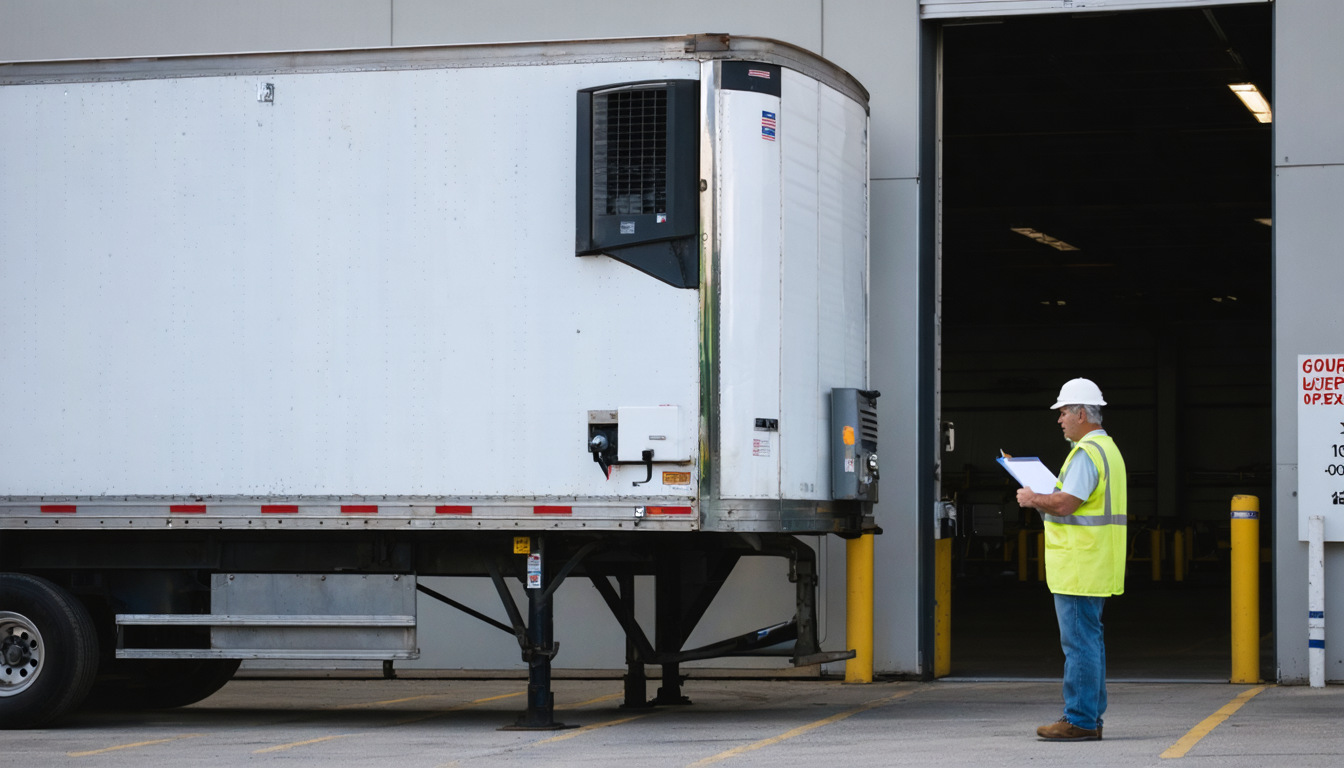
Reefer freight has always commanded a premium over dry van—the equipment costs more, the liability is higher, and temperature control adds operational complexity. But in September 2026, the gap is widening. Capacity constraints are acute, diesel prices remain elevated, and shippers moving perishables, pharmaceuticals, and temperature-sensitive goods are competing hard for available reefer trucks. If you run refrigerated, now is the time to understand where the real money is and how to capture it.
Why Reefer Rates Are Outpacing Dry Van Right Now
The freight market is experiencing a structural capacity shortage—fewer trucks on the road, higher demand for specific equipment types, and limited flexibility in load assignment. Reefer units are a subset of that capacity, and they're harder to substitute. You can't run a perishable load on a dry van, and you can't deadhead a reefer across the country without cost. Shippers know this. Brokers know this. The result is that reefer spot rates are holding steady or climbing even as some dry van lanes soften.
Diesel costs add another layer. A reefer unit burns 10–15% more fuel than a dry van because the refrigeration unit runs continuously. That operational reality is baked into every bid. When diesel stays elevated—as it has through mid-2026—reefer operators pass that cost forward more aggressively, and shippers absorb it because they have no alternative.
Where the Real Reefer Demand Is
Not all reefer loads pay the same. Produce (fruits, vegetables) is seasonal and price-sensitive; shippers often hunt for the cheapest carrier. Pharmaceutical and biotech loads are the opposite—they're year-round, non-negotiable on temperature control, and shippers will pay premium rates for reliability and documentation.
Food service and restaurant supply loads sit in the middle: steady, moderately priced, and often booked through smaller regional brokers who move volume. Data center equipment, while not perishable, sometimes requires temperature-controlled transport and can pay well if you're positioned near tech hubs.
Right now, pharmaceutical and biotech loads are the sweet spot. If you have the certifications (clean truck inspections, temperature-logging compliance, sometimes FDA or DEA awareness), you can command 15–25% premiums over standard reefer rates. These loads also tend to have predictable pickup and delivery windows, which reduces deadhead risk.
Positioning Your Reefer Truck on the Loadboard
On a platform like Doft, visibility matters. Make sure your reefer unit is clearly flagged in your profile—temperature range capability, whether you're equipped for hazmat or pharma, your inspection history, and your average deadhead tolerance. Shippers filter by these attributes first.
Avoid sitting in low-demand areas waiting for loads. In a tight capacity market, movement is profit. If you're in a secondary market, take a load to a primary freight hub (Dallas, Atlanta, Los Angeles, Chicago) where reefer volume is dense and you can pick up again quickly. One extra load per week because you're in a better position can add thousands to your monthly take-home.
Be honest about your temperature range and equipment condition. Reefer loads have higher rejection rates than dry van—if your unit reads 2 degrees warmer than contracted, the shipper can refuse it at the dock, and you eat the deadhead. Preventive maintenance on your refrigeration unit is not optional; it's a margin protector.
Contract vs. Spot in the Reefer Market
If a shipper or broker offers you a reefer contract at a fixed rate for the next 90 days, do the math carefully. Spot rates are elevated right now because capacity is tight. A contract locks you in; if capacity loosens in October or November, you'll regret it. On the other hand, a contract eliminates deadhead risk and guarantees volume—that's worth something.
A practical approach: take a short-term contract (30 days) on a high-volume lane if the rate covers your fuel and overhead with a reasonable margin. Use the steady income to fund opportunistic spot loads on the side. Spot rates in reefer tend to spike around holidays and harvest seasons; if you can layer in a few premium loads, the blended rate often beats a flat contract.
Watch Your Margin Math
Reefer operators often underestimate fuel burn and maintenance. A reefer unit costs $15,000–$25,000 more than a dry van, and the refrigeration unit requires annual service ($1,500–$3,000). Fuel consumption is higher. Tire wear can be steeper because of weight and stop-and-go delivery patterns.
Before accepting a reefer load, calculate: fuel cost for the miles, reefer fuel surcharge (typically 8–12% of the base rate), maintenance reserve, and insurance. If the rate doesn't cover those plus a 20% margin after your driver's cut, pass. The market is tight, but it's not tight enough to justify running at a loss.
The Takeaway
Reefer freight is one of the few segments where capacity constraints are translating directly into rate premiums. If you have a reefer unit and the certifications to back it, this is the time to push for pharmaceutical and biotech loads, position yourself in high-density markets, and avoid long-term contracts that lock you into today's rates. Monitor fuel costs and maintenance closely—reefer margins are real, but they're not unlimited. Use a loadboard that lets you filter by load type and shipper rating, so you're not chasing every load that pings. Quality over volume is the reefer play in 2026.
Move freight smarter with Doft
Thousands of loads, instant matching, and fast carrier pay — all in one place.
Sign up free