
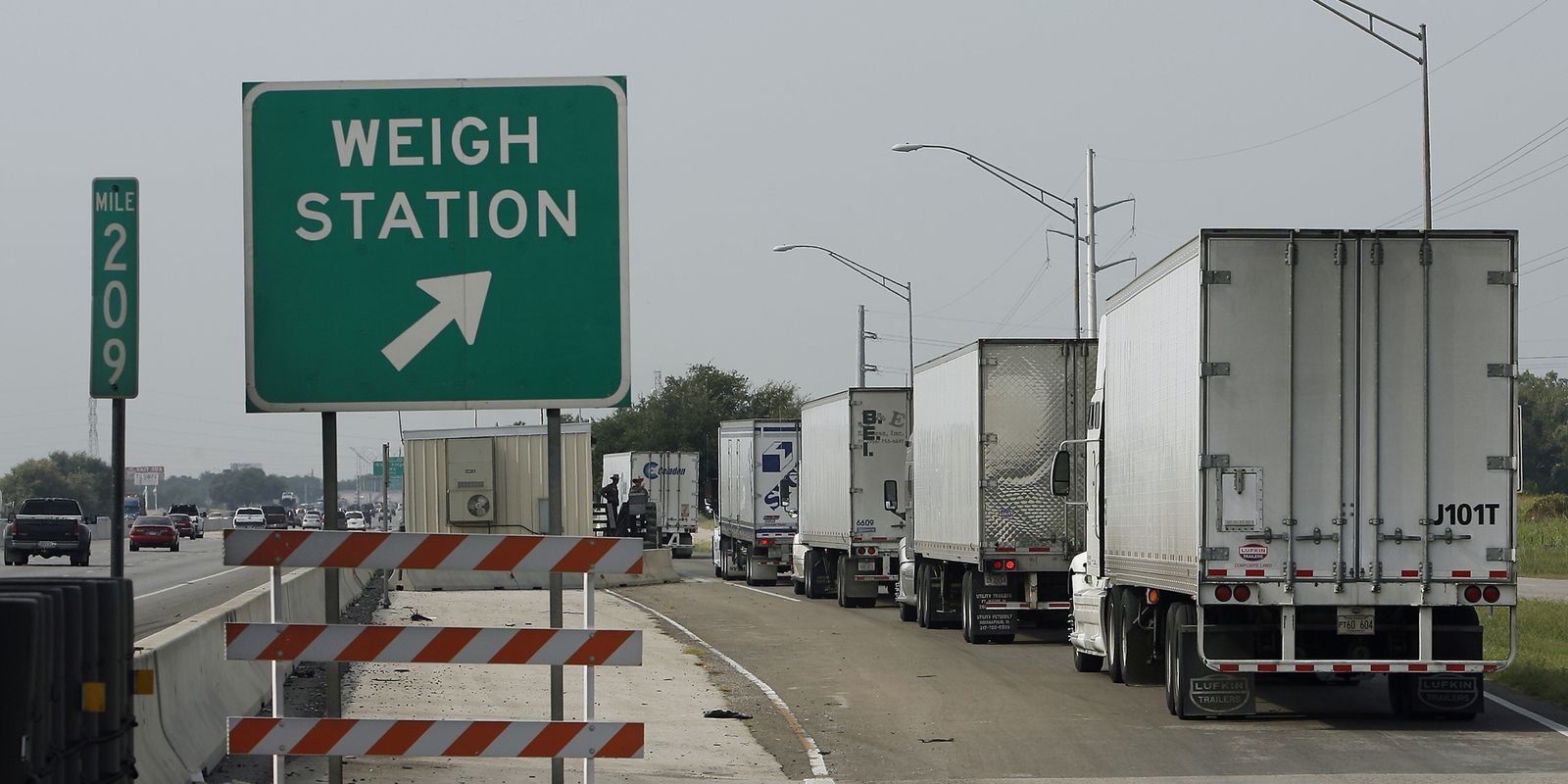
How do electronic logging devices and the move to digital inspections change the roadside inspection process? For carriers and owner-operators, it pays to understand where inspections are headed and how to be ready.
The Standard Inspection Categories
Today, trucking companies and drivers are concerned with these roadside inspection categories:
- Full roadside inspection
- Walk-around
- Driver only
- Special trend (for instance, a brake-check day)
- No driver present (typically a post-accident inspection)
- Radioactive loads
- Specialized — school bus / shuttle bus
The New Frontier: Electronic Inspections
A new category is coming: the electronic inspection. According to Andy Blair, a retired police/DOT enforcement officer and owner of DOT Safety Checkups, electronic inspections will be set up much like the weigh-station PrePass model, where a truck transmits wireless information as it passes a given point.
The driver, often unaware they've gone through a checkpoint, won't be pulled over, but an inspection report will be generated and sent to the carrier.
Brad Penneau, a safety program consultant, advises fleets and drivers to prepare now. "Every vehicle coming out today is already set up for connectivity," he explained. "If you're not taking advantage of that technology, you're really doing yourself and your fleet a disservice."
How ELDs Change Inspection Outcomes
Drivers stopped during an inspection and found to have false logs get put out of service the majority of the time. But early adopters of ELDs have seen the opposite effect.
"The violation numbers seem to support that early adopters of ELDs are having a positive impact on the number of HOS violations," Penneau said. "As more carriers transition to an ELD environment, we can expect the number of HOS violations to continue to decrease."
The majority of the top vehicle violations still relate to brakes, lights and tires.
Other Electronic Rule Changes To Know
Beyond ELDs, several electronic rules reshaped the compliance landscape:
- Electronic medical-card filing. Medical providers electronically file drivers' medical cards to the DMV. If your card isn't on file, the DMV may assume you don't have one and downgrade you. Drivers must still carry a paper copy for the first 15 days after obtaining a new medical card, because the DMV doesn't always update right away.
- Crash-preventability challenges. Carriers can "data-cue" crashes and submit proposals to FMCSA's crash preventability demonstration program, though the program limits the type and nature of crashes you can challenge.
Crash types eligible for the preventability program include:
- A commercial motor vehicle (CMV) struck by a DUI/DWI/impaired motorist
- A CMV struck by a wrong-way driver
- A CMV rear-ended where it is clearly not the commercial driver's fault
- A CMV struck while stopped or legally parked, including when unattended
- A CMV struck by someone deliberately stepping or driving in front of it
- A CMV disabled after striking an animal in the road
- A crash resulting from infrastructure failure (falling trees, rocks, storm debris)
- A CMV struck by cargo or equipment from another vehicle
ELD Exemptions
There are exemptions to the ELD rule worth knowing:
- Short-haul provision. Short-haul drivers don't need an ELD if their carriers are short-haul exempt.
- The 8-of-30 rule. In a rolling 30-day period, a driver can run up to eight days of logs on paper. Exceed eight, and you'll need an electronic log.
- Older vehicles. Model-year 1999 and older vehicles are exempt, and the exemption goes by the powertrain, so a pre-2000 engine in a newer truck can qualify.
- Drive-away / tow-away operations also qualify.
- Certain utility/emergency service providers are exempt from HOS service in demand.
For older vehicles, enforcement officers determine ELD-exemption status by the vehicle identification number (VIN), not necessarily the date of manufacture. If an officer can't determine the age of the truck or engine, they may flag it for further investigation, so drivers claiming an exemption should be ready to back it up.
"If you have that newer truck with a 1998 engine, maybe have a printout or document showing some sort of a service listing this 2002 vehicle with this 1998 engine in it," Blair said. "As a former officer, that would put me to rest and settle the issue right there on the spot."
Bottom Line For Fleets
Connectivity is no longer optional. The fleets that adopt ELDs early, keep their medical cards on file, and prepare drivers to document any exemption claim are the ones that come through roadside inspections with the fewest surprises, and the fewest out-of-service violations.
Source: Fleet Owner
Move freight smarter with Doft
Thousands of loads, instant matching, and fast carrier pay — all in one place.
Sign up free