
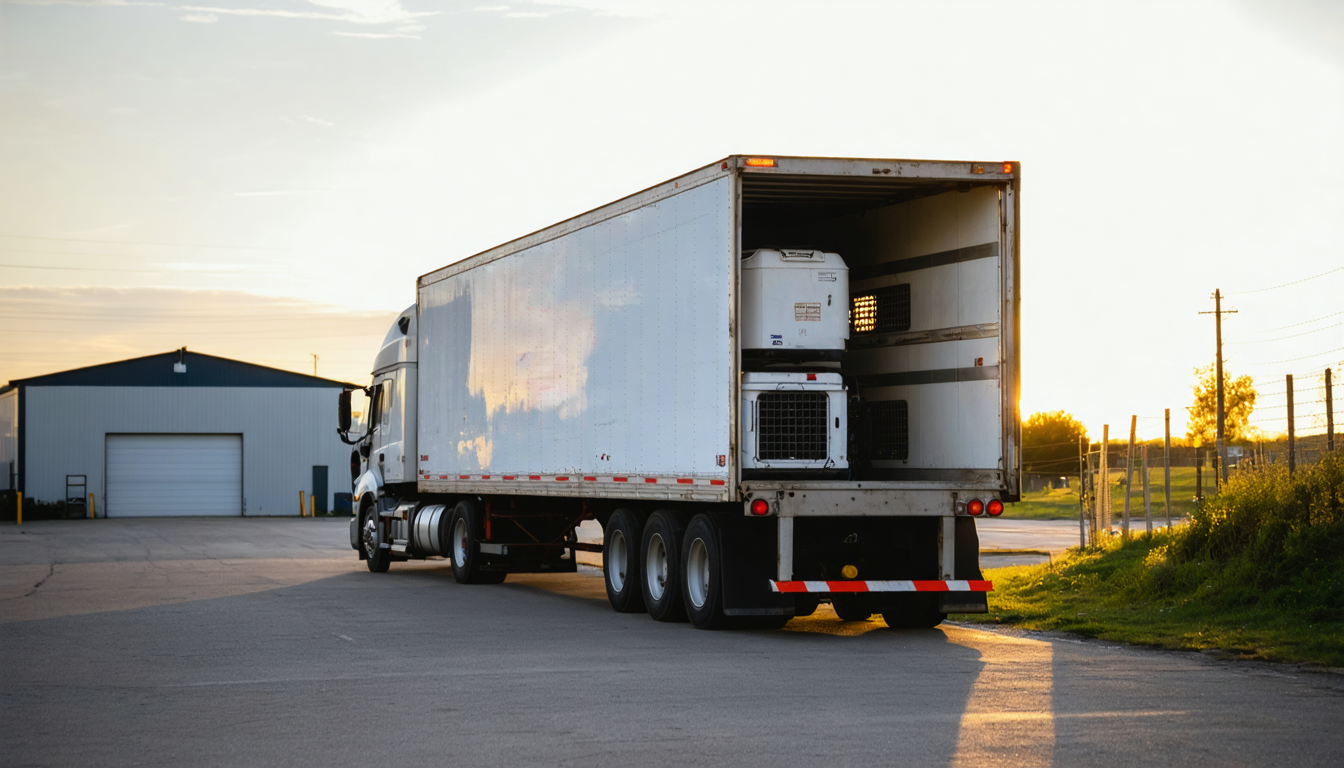
A headline about pet safety for truck drivers might sound niche, but it signals something real: pet freight is becoming a legitimate segment of the spot market, and owner-operators who understand it can tap into steady, often high-margin work. The logistics of moving animals—whether service dogs, rescue animals, or breeding stock—requires specific equipment, knowledge, and care. That specialization means fewer competitors and better rates. Here's what you need to know to get in.
Why Pet Freight Pays Better Than Standard Dry Van
Pet transportation loads typically command a premium over standard freight for one reason: liability and complexity. A shipper moving 20 dogs from a rescue organization to adoption centers across three states isn't just paying for miles—they're paying for reliability, climate control, and a driver who won't panic if an animal gets stressed or needs a bathroom break.
Spot rates for pet loads often run 15–30% above comparable dry van freight on the same lane, depending on distance, animal type, and regulatory requirements. A 400-mile pet transport that might fetch $0.85/mile as standard freight could pull $1.10–$1.25/mile as a specialized pet load. That margin adds up fast, especially if you can layer multiple loads or negotiate repeat work with established pet-transport brokers.
Equipment and Setup: What You Actually Need
You don't need a fancy custom trailer. Most pet freight moves in standard dry vans or enclosed trailers with a few modifications:
Climate control: A functional HVAC system or insulated walls. Many pet loads are temperature-sensitive (especially for breeding stock or exotic animals). If your trailer runs hot in summer or cold in winter, you'll lose loads.
Containment and safety: Secure tie-downs, dividers, or kennels bolted to the floor. Animals shift during braking and turns. Loose cargo is a liability and an animal-welfare violation.
Sanitation: Easy-to-clean flooring (rubber mats, not bare wood). You'll need to mop or hose out between loads.
Ventilation: Adequate air flow without drafts. Stuffy trailers stress animals and can cause heat stress in summer.
If your truck is already well-maintained and climate-controlled, you're 80% of the way there. Spend a few hundred on tie-downs and mats, and you're ready to start bidding pet loads.
Finding Pet Freight: Where to Look
Pet loads aren't always labeled clearly on standard loadboards, but they're there. On Doft and similar platforms, search for keywords like "animal transport," "pet freight," "rescue transport," "kennel," or "dog freight." Many are posted by specialized pet-transport brokers who work regularly with the same carriers.
Direct relationships matter here. Contact local animal rescues, breeding operations, and veterinary clinics to ask if they ship animals. Many do, and they'll remember a reliable driver. Word-of-mouth in the pet-transport community moves fast.
Specialized brokers like Pawsitive Freight, Rescue Transport Network, and regional pet-logistics companies post loads regularly. Some require pre-qualification (background check, references, photos of your trailer), but the vetting is lighter than you'd expect—they just want to know you won't lose an animal or show up with a filthy trailer.
The Real Constraints: Regulations and Rest Stops
Federal rules on animal transport are looser than you might think. The USDA regulates commercial animal transport, but the rules focus on humane treatment, food/water access, and climate control—not on licensing your truck or getting special permits (unless you're moving very high-value animals or crossing state lines with certain species).
The practical constraint is your own logistics. You can't leave animals unattended for long periods. That means:
- Plan your route to minimize idle time at truck stops.
- Carry water and basic food (usually provided by the shipper).
- Know where pet-friendly rest areas are on your route.
- Build in time for bathroom breaks (yours and theirs).
Many owner-ops do pet loads as local or regional work specifically to avoid the 10+ hour hauls where animal welfare becomes a real problem. A 200-mile pet transport with two stops is easier to manage than a 600-miler.
Pricing and Negotiation
Start by bidding 20% above your standard rate for comparable mileage. If you lose the load, bid higher next time. If you win consistently, you're underpriced.
Factor in the real costs:
- Extra cleaning time between loads (30 min–1 hour).
- Potential deadhead miles to/from the pickup (many pet loads originate at rescues or breeding operations, not major distribution hubs).
- Fuel for climate control running longer.
For repeat work with the same broker or rescue, negotiate a flat rate per load rather than per mile. A $1,200 flat fee for a 300-mile pet transport beats the per-mile guessing game.
The Downside: It's Not All Margin
Pet freight is emotionally rewarding but operationally demanding. You're on the hook if an animal gets sick, injured, or stressed. Insurance liability for live animals is higher than for dry goods. And if a load goes sideways—an animal escapes, gets injured, or a shipper claims you were negligent—the reputational damage in a tight community is real.
Vet your shippers as carefully as they vet you. Ask for references. Confirm they've done this before. Make sure the animal is healthy before you load it (not your job, but ask for a health cert).
The Bottom Line
Pet freight is a real opportunity for owner-ops willing to specialize. The rates are better, the loads are often shorter, and the repeat-customer potential is high. Start small—bid one or two loads to learn the logistics—then scale up if it works for your operation. The market is growing, and drivers who understand it will have a competitive edge.
Move freight smarter with Doft
Thousands of loads, instant matching, and fast carrier pay — all in one place.
Sign up free