
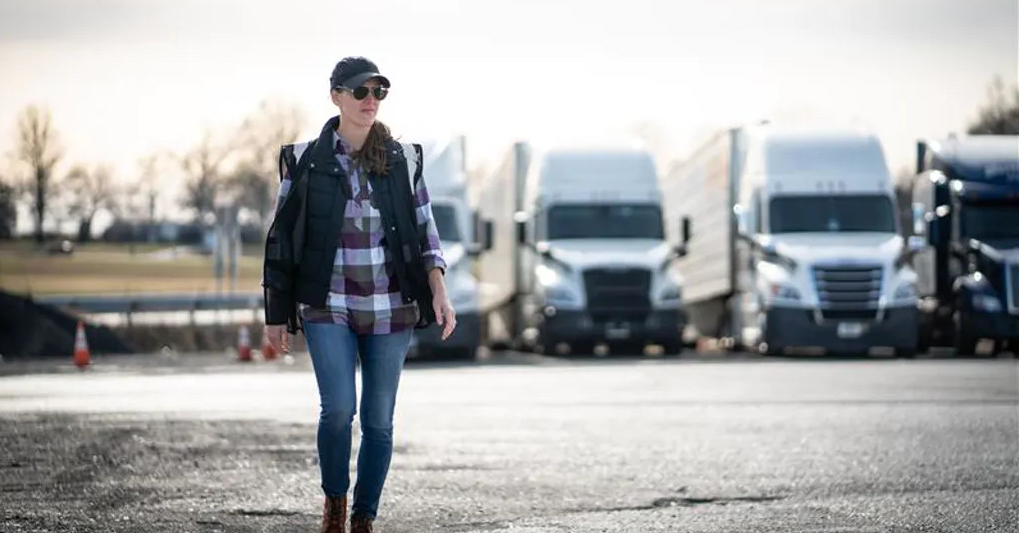
Strong freight demand and tight truck capacity continue to squeeze the supply chain. Here's how new technology can improve working conditions, efficiency, and rates.
Trucking moves the vast majority of freight in the U.S. economy. The American Trucking Association's freight forecast shows trucking handles more than 80% of all freight revenue, and freight indexes have risen year over year. Those increases trace back to a lack of truck capacity during the driver shortage: when carriers can't meet rising demand, the price for shipment loads goes up.
Another challenge for freight comes from the driver shortage itself. To replace retiring drivers and keep pace with demand, the industry needs to recruit huge numbers of new drivers over the coming years. Solutions include increased pay, regulation changes, and improved conditions for drivers.
New technology can help. Logistics tools ease the burden of adjusting schedules, filling spots, and dealing with driver unavailability.
How Driver Shortages Affect Truck Rates
Transportation remains near the top of the list of jobs people leave, for reasons including pay, comfort, health, and safety. Drivers are often paid by the mile instead of by the hour, so they frequently aren't compensated for waiting time during processing.
Driver shortages also push truck rates up. Fewer drivers means tighter capacity, and freight rates can climb sharply for shippers whose freight doesn't match available carriers in a sellers' market.
Shippers can avoid many rate increases by adopting new technology to operate more efficiently. With freight apps, drivers gain more flexibility and can optimize how their trucks are loaded, improving their lifestyle while helping ease the shortage.
One of the biggest problems for drivers, especially independent or semi-independent contractors, is backhauling. They drive one way with a full load, then need freight for the trip home. Driving back empty wastes the truck and lowers income. An on-demand freight-matching app helps drivers keep their trucks full and reduces the risk and cost of empty miles on the journey home.
Unpaid wait times, being stranded far from home, and routing complications all add to job dissatisfaction. Technology that dispatches drivers and loads, gives clear directions, and lets drivers clock in and out by the hour can solve much of this. Drivers also enjoy the flexibility of choosing the lanes they want and getting paid quickly, which helps draw more people into the industry.
Future Solutions
Freight apps can help shippers reduce costs, lower the number of drivers needed, and earn higher margins, because transparency cuts labor costs through automation, document optimization, and smart matching. When capacity is tight, shippers still gain access to better rates.
These apps also boost efficiency and flexibility, which translates into higher productivity for both sides. Shippers get more capacity to choose from, and drivers get more favorable lanes, especially on the way back. Because apps handle pricing and negotiation, shippers can secure competitive rates with the speed and service their customers expect.
Technological innovations like freight apps can improve truckload rates and ease the driver shortage. Companies can and should adopt these solutions to stay ahead of rising freight costs. Increasing efficiency is the best way to navigate the current shortage.
Move freight smarter with Doft
Thousands of loads, instant matching, and fast carrier pay — all in one place.
Sign up free