
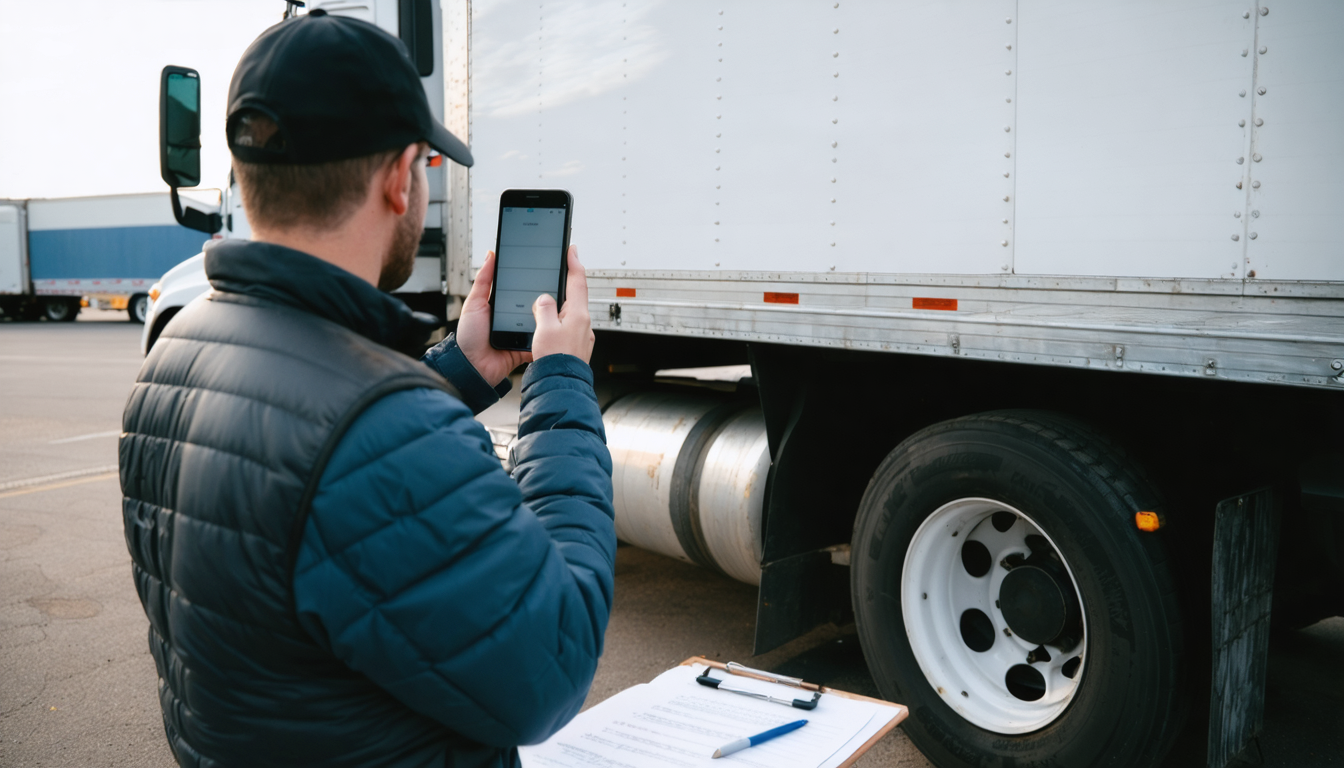
The FMCSA has quietly rolled out virtual roadside inspections as a standard enforcement tool—and owner-operators need to understand what that means for their compliance posture and how to prepare. Unlike traditional Level 1 inspections where an officer physically walks your truck, virtual inspections happen remotely, typically via your phone or tablet at the roadside, and they're just as consequential for your safety record and authority status.
What Virtual Inspections Actually Are
A virtual inspection is a real-time video and document review conducted by an FMCSA inspector while your truck is parked—usually at a weigh station, truck stop, or rest area. The officer can see your cab, cargo area, coupling devices, and tires via your phone camera, and they'll request digital copies of your logbook (ELD data), vehicle maintenance records, and driver qualification files. The goal is the same as a traditional inspection: verify compliance with FMCSA and DOT safety rules. The difference is speed and scalability—officers can inspect more trucks per shift, and you're not detained for as long.
Why This Matters for Your Bottom Line
Virtual inspections are faster, but they're not softer. A violation on a virtual inspection carries the same weight as one caught in person. Out-of-service orders, fines, and safety violations all flow into your FMCSA Safety Management System (SMS) profile, which brokers and shippers check when deciding whether to book you. A single critical violation—brake failure, HOS violation, or falsified logbook—can tank your authority status and make you unhireable on quality loadboards. The speed of virtual inspections also means you have less time to correct obvious issues before being documented.
How to Prepare for a Virtual Inspection
If an officer flags you for a virtual inspection, stay calm and comply. Have your documents organized and accessible: current logbook (ELD app open and ready), driver qualification file (DQF), vehicle maintenance records, and proof of insurance. Make sure your phone has a strong signal and enough battery. When the officer asks for a camera view, show them the requested area clearly—don't rush or be evasive. Keep your cab and cargo area reasonably clean; while inspectors focus on safety, a cluttered or obviously neglected truck can invite extra scrutiny. If you use Doft or another ELD-integrated platform, ensure your logs are current and synced before you hit the road; inspectors can pull your data directly if you're integrated with the FMCSA system.
Document Everything Proactively
The best defense is a clean record. Maintain your vehicle maintenance log religiously—every oil change, tire rotation, brake check, and repair. Take photos of your truck's condition monthly (tires, coupling, lights, brake condition). Keep your DQF updated with current medical certificates and training records. If you use a carrier, ensure they're uploading your records correctly; FMCSA errors (like the recent Motus outages that froze authority status) can happen, and you need to catch them early. When you receive a virtual inspection report, review it immediately for errors. If something is wrong—a violation you don't believe is valid, or a record mix-up—file a formal response within 30 days.
The Bigger Picture: Why This Trend Matters
Virtual inspections are part of a broader FMCSA shift toward technology-driven enforcement. It's not going away. The agency can scale compliance monitoring without hiring more officers, and it creates a permanent digital trail of your safety record. For owner-operators, this means compliance is no longer optional or occasional—it's continuous and documented. Your ELD, your maintenance records, your DQF, your fuel logs: they're all potential evidence in the FMCSA's system. The upside is that if you're clean, a virtual inspection is actually faster and less disruptive than a traditional roadside stop. The downside is that there's nowhere to hide a violation.
Stay current, keep your records sharp, and don't panic if you get flagged for a virtual inspection. It's routine now, and routine compliance is the best insurance for your authority and your reputation.
Move freight smarter with Doft
Thousands of loads, instant matching, and fast carrier pay — all in one place.
Sign up free