
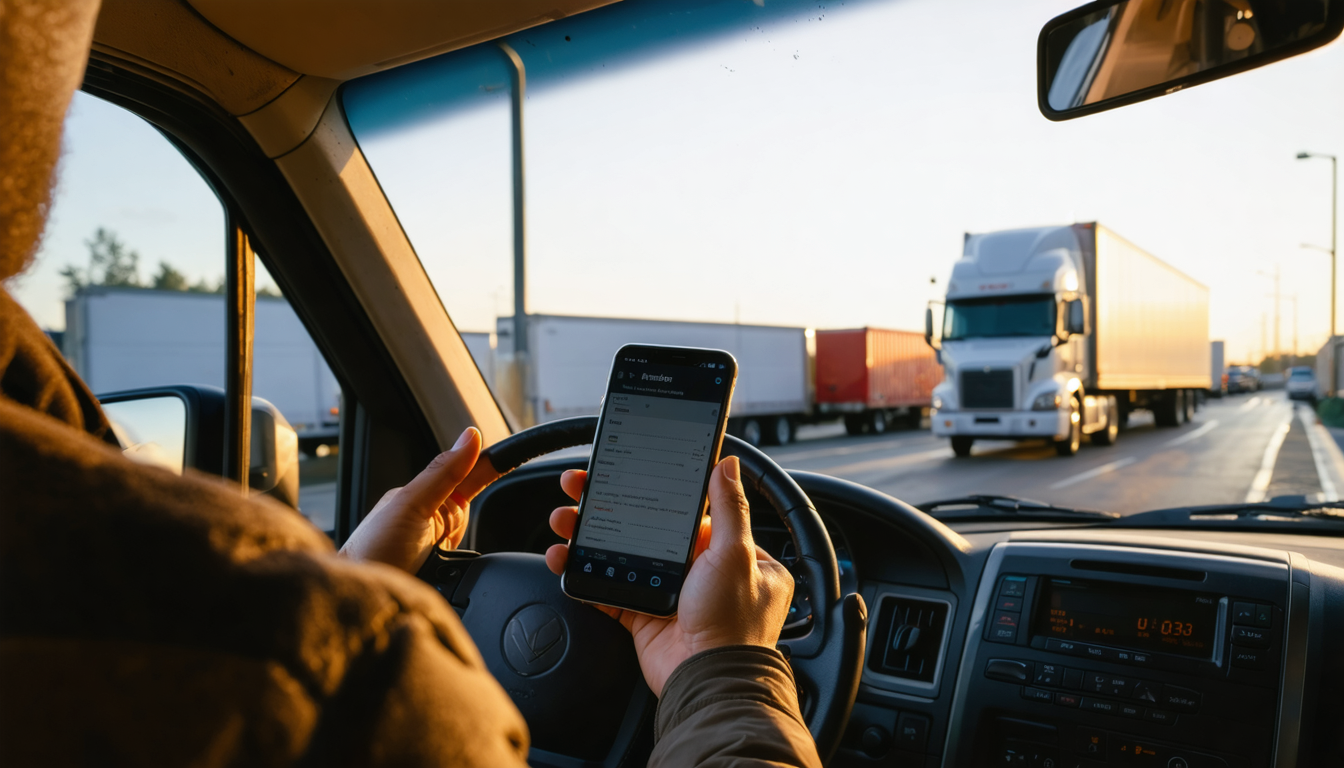
The FMCSA launched an enhanced complaint platform in early November 2026, making it easier for drivers and owner-operators to report safety violations, fraud, and misconduct in the trucking industry. If you've been holding back on reporting a sketchy carrier, a broker's shady practices, or a safety hazard you've witnessed, this is the moment—and the tool—to do it. Understanding how to use it, and when it matters, can protect your authority, your reputation, and the industry itself.
What Changed and Why It Matters
The FMCSA didn't just refresh a form. They built a dedicated reporting center designed to streamline complaints and flag patterns of abuse faster. This comes on the heels of a broader federal push—announced in August 2026 by Transportation Secretary Duffy and the White House Fraud Task Force—to crack down on fraud and safety violations across trucking. The agency wants drivers to be the eyes and ears, and they've made the process less bureaucratic.
For owner-operators, this is significant. A cleaner industry means fewer bad actors undercutting rates, fewer unsafe competitors on the road, and fewer regulatory blitzes that sweep up good operators alongside bad ones. It also means you have a direct channel to report problems without going through a broker or carrier who might bury the issue.
What You Can Report
The platform accepts complaints about:
- Safety violations: Unsafe vehicles, drivers operating on expired medical certificates, falsified logbooks, or HOS violations you've witnessed firsthand.
- Fraud: Brokers who don't pay, carriers running under shell companies, fake credentials, or load scams.
- Misconduct: Discrimination, retaliation, wage theft, or coercion from dispatchers or brokers.
- Equipment issues: Mechanical hazards, reefer failures, brake problems—anything that puts drivers at risk.
- Compliance dodging: Carriers avoiding inspections, falsifying CSA scores, or running uninsured.
You don't have to be the victim. If you see another driver being mistreated, or you witness a safety violation at a shipper or warehouse, you can report it.
How to File a Complaint
Reports go directly to the FMCSA's Safety and Fitness Electronic Records (SAFER) system. You can file online through the FMCSA website—no phone call, no waiting. You'll need basic details: the company name (or MC number if you have it), what happened, when, and where. If you have documentation (photos of an unsafe trailer, screenshots of a broker's non-payment, dispatch records), include it.
You can file anonymously, which protects you from retaliation. That said, the FMCSA may reach out if they need clarification, so providing accurate contact info (even if you ask not to be named in any enforcement action) helps them investigate thoroughly.
Why This Protects You
One key fear owner-operators have: "Will reporting get me in trouble?" The answer is no—and the law backs it up. FMCSA regulations prohibit retaliation against anyone who reports safety violations in good faith. If a carrier or broker retaliates, that's a separate violation they can be cited for.
Beyond legal protection, a functioning complaint system means the FMCSA can target bad actors instead of running broad sweeps. The November 2026 blitz that sidelined 33,000 trucks happened partly because violations were scattered and hard to track. Concentrated complaints help the agency focus enforcement where it's needed—reducing the odds that a compliant owner-op gets caught in a wide net.
When NOT to Use It (And What to Do Instead)
The complaint platform is for systemic or safety issues. If a broker owes you money on a single load, that's a contract dispute—file it with your state's attorney general or small claims court, or use a factoring service to get paid faster. If you're in an active dispute with a shipper, document everything and loop in your carrier or broker first.
If you witness an immediate safety threat—a driver nodding off, a reefer trailer leaking hazmat—call 911 or the roadside assistance number. Don't wait for the FMCSA to investigate.
The Bigger Picture
The FMCSA's push to encourage reporting reflects a shift in enforcement philosophy: transparency beats broad crackdowns. Owner-operators who run clean operations, maintain their equipment, and follow HOS rules benefit when competitors who cut corners get caught and removed from the market. Higher compliance across the board means steadier rates, fewer rate-tanking undercutters, and a safer freight network.
If you've been on a load board like Doft and noticed patterns—carriers with recurring violations, brokers who consistently low-ball or ghost carriers—reporting those patterns helps the FMCSA connect the dots. One complaint might not trigger action. Five complaints about the same carrier's practices will.
The Takeaway
The FMCSA's new complaint platform is a tool, not a threat. It's there to protect you, your authority, and the integrity of the market. Use it when you see genuine safety violations or fraud. Stay silent, and bad actors keep undercutting and creating chaos. Report thoughtfully and accurately, and you're helping build an industry where compliance pays and corners can't be cut.
Move freight smarter with Doft
Thousands of loads, instant matching, and fast carrier pay — all in one place.
Sign up free