
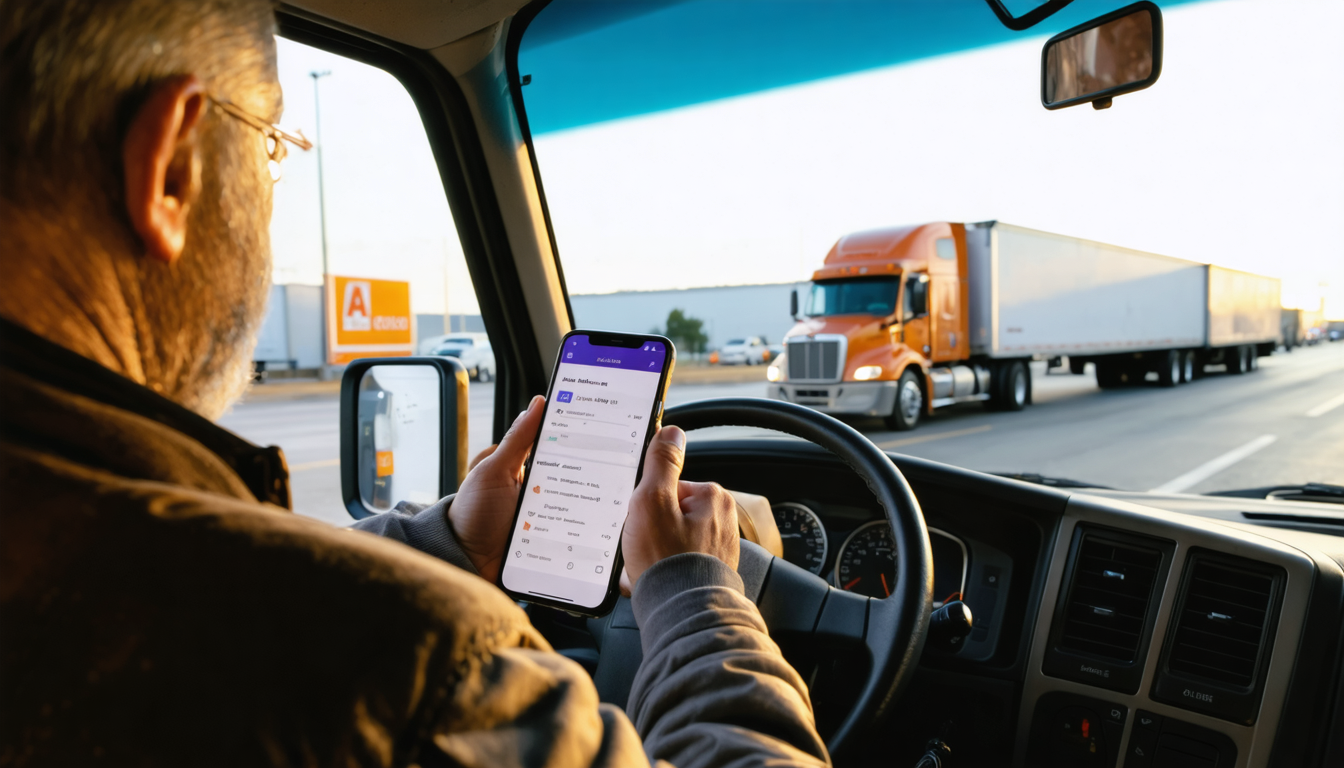
Spot rates are at multi-year highs, but that doesn't mean your cash flow is. When you're waiting 30, 45, or even 60 days for a shipper to pay an invoice, the gap between fuel, maintenance, and paycheck can squeeze hard—especially when diesel is volatile and loads are competitive. Owner-operators typically have three main ways to bridge that gap: factoring, bank lines of credit, and fuel cards. Each has a real cost and a real trade-off. Knowing which one (or combination) fits your operation is the difference between staying ahead and falling behind.
Factoring: Fast Cash, Real Fees
Factoring is the most common option for owner-ops and small fleets because it's fast and requires almost no credit history. Here's how it works: you haul the load, send the invoice to your factoring company, and they advance you 85–95% of the invoice value within 24–48 hours. When the shipper pays, the factoring company takes their cut—typically 2–4% of the invoice total, though some charge flat fees or tiered rates.
The upside is speed and simplicity. No credit check, no collateral, no lengthy approval process. The downside is cost. On a $2,000 load, a 3% factor fee is $60—that's $60 you don't keep. Over a year, if you factor 100 loads, that's $6,000 in fees. For owner-ops running tight margins, that adds up fast.
Factoring also works best if your shippers are creditworthy. If a shipper is slow to pay or disputes an invoice, the factoring company may hold your advance or claw it back. Some factors won't touch certain freight lanes or shipper types—food, automotive, or international loads sometimes carry higher fees or exclusions.
Bank Lines of Credit: Lower Cost, Slower Access
A traditional bank line of credit is cheaper than factoring but harder to qualify for and slower to tap. Interest rates on lines of credit typically run 6–12% annually, depending on your credit score, business history, and the bank's risk appetite. You only pay interest on what you actually borrow, and you keep 100% of your invoice value.
The catch: banks want to see solid financials—tax returns, profit-and-loss statements, a decent credit score, and often a personal guarantee. For a new owner-op or someone with spotty credit, getting approved can take weeks or months. And once you're approved, drawing on the line isn't instantaneous; you may need to request the funds a day or two in advance.
A line of credit is best if you have stable revenue, good credit, and can plan your cash needs a few days ahead. If you're living paycheck-to-paycheck or your credit is rebuilding, it's probably not the right fit.
Fuel Cards and Credit: The Hidden Middle Ground
Many owner-ops overlook fuel cards as a cash-flow tool, but they can be powerful. A fuel card lets you buy fuel on credit and pay the bill later—typically net 30 days. Some cards also cover tolls, maintenance, and truck washes. If you're spending $1,500–$2,500 a month on fuel, a fuel card effectively gives you 30 days of float on that cost.
Fuel cards usually have no interest if you pay on time, making them cheaper than factoring or a line of credit. The downside is they don't solve the broader cash-flow problem—they only cover fuel and related expenses. And if you miss a payment, interest rates can spike to 15%+.
Combining Tools: The Real Strategy
Most successful owner-ops don't rely on just one tool. A typical setup might look like:
- Fuel card for weekly fuel costs (no interest if paid on time).
- Factoring for 1–2 urgent loads per month when you need cash faster than a shipper will pay.
- A small line of credit for planned expenses like maintenance or a new tire set.
This mix minimizes your total cost while keeping you flexible. You're not factoring every load (which bleeds fees), but you're not stuck waiting 60 days either.
The Doft Angle: Faster Shipper Pay Means Less Borrowing
One way to reduce your reliance on factoring or credit is to work with shippers and brokers who pay faster. Spot-market loads and direct-shipper relationships often come with better payment terms—sometimes net 7 or even net 3—than traditional brokers. On Doft, owner-ops can see load details, shipper info, and payment terms upfront, which means fewer surprises and more control over your cash flow.
If you can land enough loads with 7–14 day payment terms, you may not need to factor at all. That's real margin back in your pocket.
The Bottom Line
There's no one-size-fits-all answer, but the math is straightforward: calculate your monthly cash gap (the difference between when you spend money and when you get paid), then compare the cost of each option. Factoring costs 2–4% per load; a line of credit costs 0.5–1% per month on borrowed funds; a fuel card costs 0% if paid on time. Pick the cheapest option for your situation, and don't be shy about mixing them. The goal is to keep your truck moving and your bank account from hitting zero—everything else is optimization.
Move freight smarter with Doft
Thousands of loads, instant matching, and fast carrier pay — all in one place.
Sign up free