
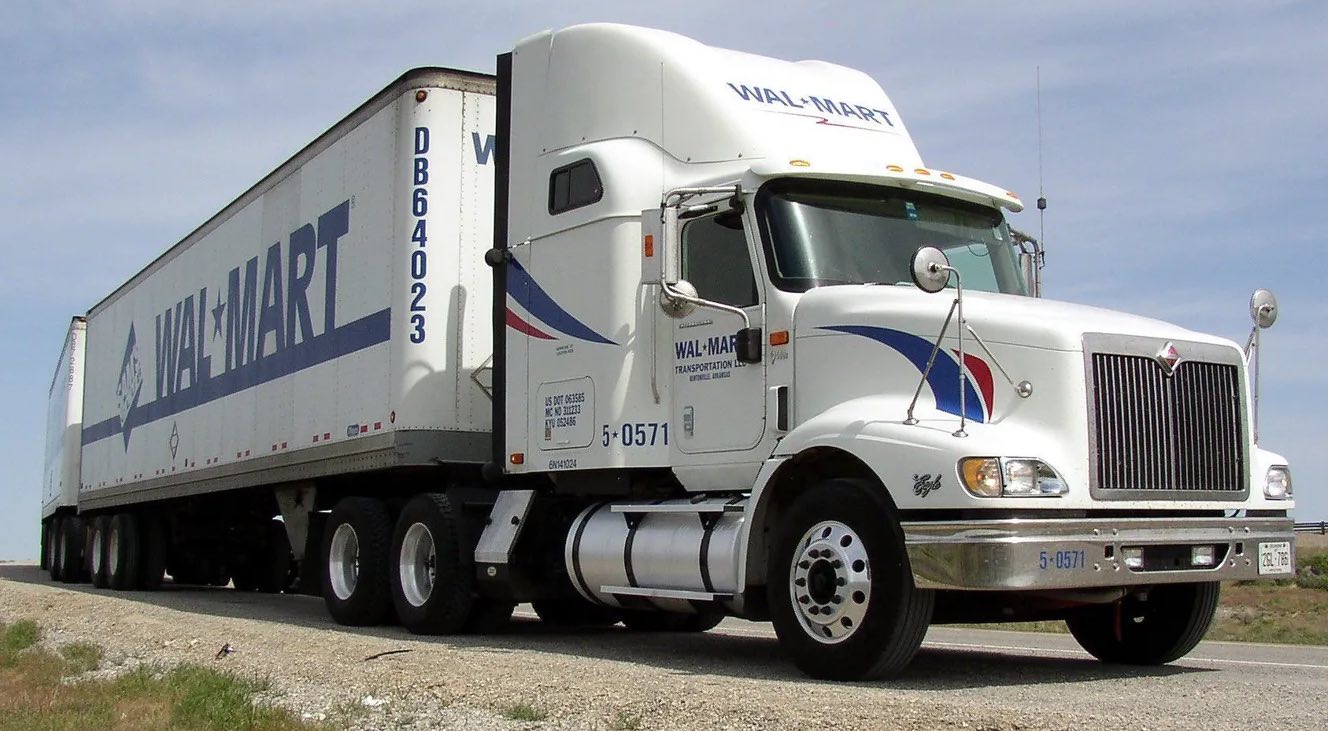
A driverless future, with drivers still in it
When a self-driving truck ran a load of beer across 120 miles of Colorado, it gave the trucking industry a glimpse of a cost-saving driverless future. But the prospect of fewer drivers has a real employment dark side, and the headline projections have been dramatic: some forecasts have estimated steep declines in driving jobs over the coming decades.
Yet many in the trucking industry believe those alarmist projections are premature. Even the most advanced automation, robotics, and artificial intelligence cannot handle all the tasks drivers perform at the loading dock or on the road. The likelier outcome is that a driver's duties change as the industry works out man-machine partnerships, not that drivers disappear.
A change in responsibility
Both economic and safety issues are pushing autonomous truck development forward. Federal regulators view self-driving vehicles as a path to improved safety, since the overwhelming majority of roadway fatalities trace back to human choice or error. Cutting labor costs is the other driver: driver wages and benefits represent a large share of the average cost per mile of trucking.
That is why major players are all working to bring self-driving trucks to market. But truckers do far more than drive, which complicates the picture.
"Automation won't make truckers obsolete," said Tim Smith of Navistar. Drivers "will start to look more like managers who focus on tasks impossible for current technology."
Loading dock restrictions
Loading docks are a prime area where software and robots struggle. Specialized robots can move single totes or boxes, or shift trailers around a yard, but fully managing cargo with robots is not happening soon.
- Optimizing the load. Deciding how to stack and position pallets to use space well still requires human judgment.
- Quality control. Someone has to physically check that goods are not damaged as they are loaded, and drivers often document the condition of freight, sometimes with photos.
- Catching mistakes. A conveyor system cannot notice that the wrong product, an organic item swapped for a regular one, was loaded.
- Unloading. Many destinations require the driver to unload using a pallet jack or similar tool.
Even drop-trailer programs can require a trucker's involvement. In one case, a driver with relevant experience spotted that a fragile product kept toppling over and shared packing tips on air bags, straps, and bracing.
Problems on the road
Issues that need a driver's attention do not end at the dock door. Tires blow out and systems fail.
"What happens when there's a mechanical issue?" one warehouse executive asked. "An air line breaks, or a trailer is dirty with some kind of contaminant and you have to reject it. How would automation handle those things?"
Often the first sign of a problem is a change in the sound of the truck, and automation is not designed to diagnose a problem from a noise. Trucks also need to be fueled, and many truck stops are not staffed around the clock to run the pumps. As one analyst put it, a truck driver's role is going to evolve into being a technical expert who can handle the quick fixes that cannot be managed from a back office.
Weather and variable road conditions add another layer: self-driving systems work best on clear roads in good weather, so human oversight remains essential in the medium term.
New models, and a possible upside
The most likely near-term picture is "cobot" teams, humans and robots working together. Platooning, where digitally tethered trucks travel in single file to cut drag, is already close to real use. Self-driving technology could let multiple trucks follow a lead vehicle over long highway stretches, while local drivers take over for city traffic, much as harbor pilots guide ships into port.
There may even be an upside for a long-standing problem: the driver shortage. As one analyst noted, when the personal computer arrived in the 1980s, people feared it, but it created new jobs and redefined others.
"I think the same thing is going to happen with the trucking industry," she said. "I think it's going to get attractive enough for the younger generation to want to get involved."
For today's drivers, the message is steady: the job is changing, not vanishing, and the skills that make you valuable are expanding beyond the wheel.
Move freight smarter with Doft
Thousands of loads, instant matching, and fast carrier pay — all in one place.
Sign up free