
Many cities around the world are redrawing how people move around streets and neighborhoods, driven largely by concerns over traffic congestion and emissions. Far fewer are actively addressing an equally serious issue: making sure that goods moved by delivery fleets and logistics services are part of the plan for a more sustainable transportation system.
That looks like a big oversight, and for carriers and fleets, the way cities solve it will shape urban routes for years to come.
Why Urban Freight Is About To Explode
As people move to cities, more commercial vehicles follow. Freight volumes into urban environments could grow by up to 40 percent, according to projections by McKinsey & Co. researchers. Think of all the times a ride was blocked or delayed because a truck or van was idling near the curb, or blocking a bike lane.
Ignoring this could choke economic growth and make emissions targets harder to hit. Commercial vehicles travel an average of 1.5 to 2 times more miles than passenger vehicles, consume more fuel, and emit more particulate matter, McKinsey notes.
The good news: planners and corporate logistics teams are waking up. In a study published by UPS and GreenBiz Research, more than three-quarters of the 600-plus businesses surveyed were aware of the problem, and about the same share said logistics providers, retailers and consumer-product companies should work more closely with city officials.
"Increasing urbanization and congestion make logistics far less predictable and harder to manage," said Mark Wallace, then senior vice president of global engineering and sustainability at UPS. "Without implementing innovative solutions supported by technology and logistics ingenuity, we run the risk of increasing congestion and emissions, we need solutions, and collaboration is the key."
No Single Fix
Every city faces its own challenges. An approach that works in sprawling Houston isn't likely to be as effective in a dense European metropolis like London, where centuries-old lanes are narrower. Even within a single city, the right answer depends on whether deliveries are B2B or B2C, and whether they're same-day/instant or multi-day.
As McKinsey puts it: "Different combinations will work for different kinds of cities, different customers, and different time windows."
Solutions Worth Watching
Both reports point to several models gaining traction:
- Delivery lockers. Instead of dropping packages at individual residences or multi-tenant buildings, drivers leave multiple shipments at a secure location. Recipients self-pick-up using a credit card or mobile phone.
- Consolidation centers. Packages are delivered to depots in specific zones, then moved the final stretch on foot, by bike, or by electrically assisted vehicles. UPS has experimented with this in Hamburg.
- Night or after-hours deliveries. In New York, a trial that shifted deliveries to evening and early-morning hours cut time-to-delivery roughly in half for participating restaurants and hotels. The trade-off: nighttime noise for neighborhoods.
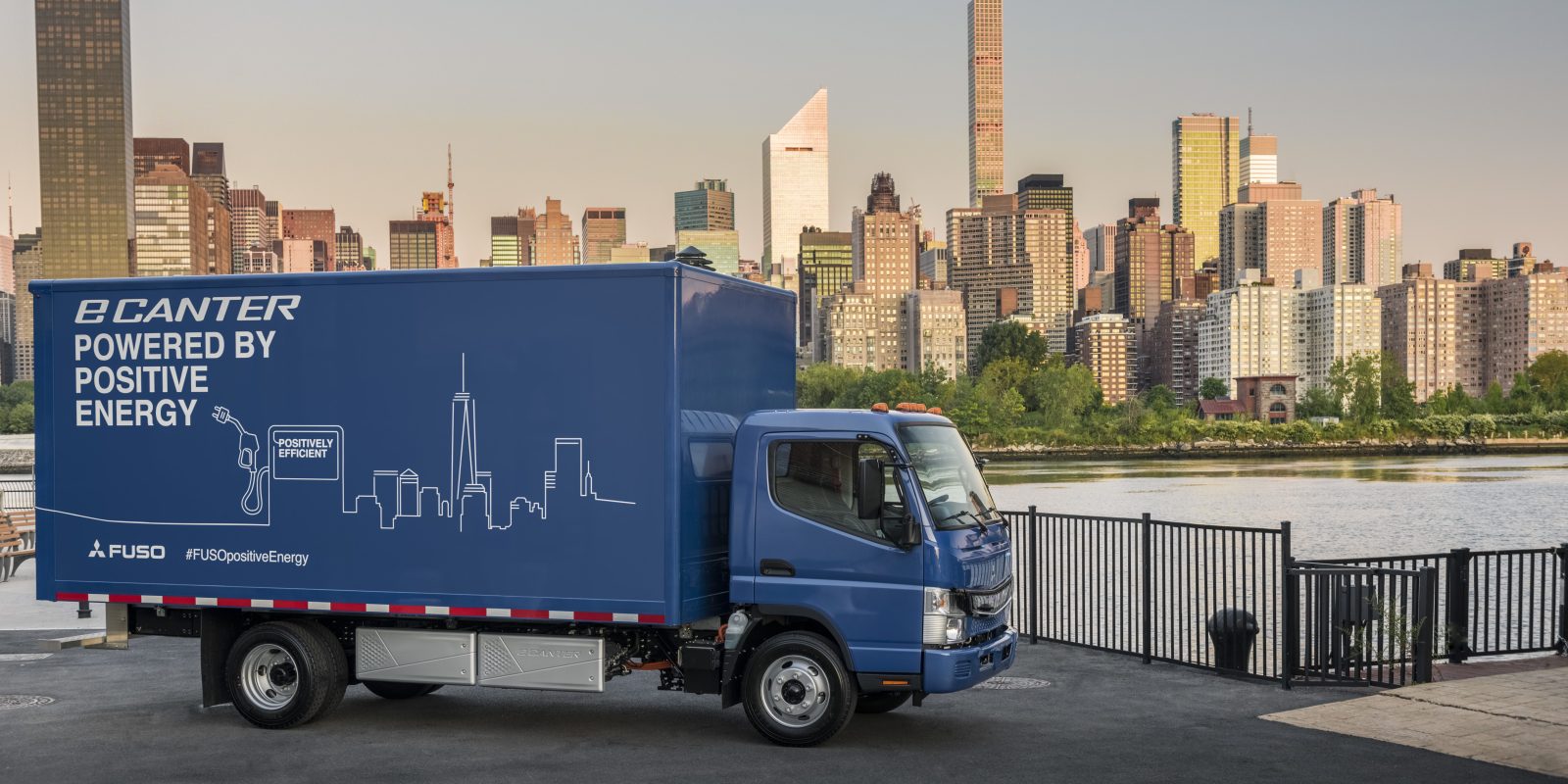
- Alternative delivery vehicles. Companies are investing in low-emissions options, not just alternative fuels like compressed natural gas and electric vehicles, but also different modes, including bikes and, eventually, drones and autonomous vehicles.
The Takeaway
Cities will most likely combine these approaches rather than pick one. As the McKinsey researchers note, "The most powerful effect is when two or more are used together, multiplying their respective strengths." For carriers and last-mile operators, the fleets that adapt early, to lockers, consolidation hubs, off-peak windows and cleaner vehicles, will be the ones that keep moving when urban congestion tightens.
Source: GreenBiz
Move freight smarter with Doft
Thousands of loads, instant matching, and fast carrier pay — all in one place.
Sign up free