
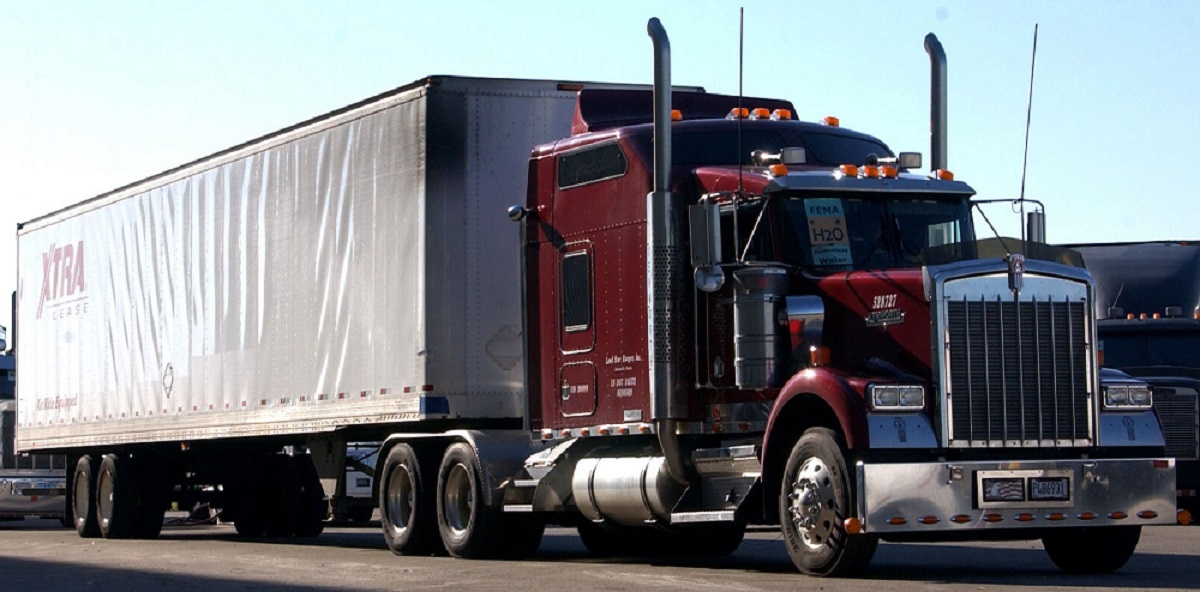
When Uber launched Uber Freight, the "Uber for trucking" startups suddenly had a very large competitor. The cloud-based, on-demand full-truckload brokerage rolled out nationwide after months of testing in the Texas Triangle between Dallas, Houston, San Antonio and Austin.
The pitch to drivers was straightforward: win over independent owner-operators and midsize and large carriers by offering one-click signups for loads through a mobile app, plus a guarantee they'd be paid within seven days.
Why the model resonates
Analysts pointed out that the appeal of the on-demand model comes from one thing: connecting underused assets with demand.
"An Uber for hauling stuff is sensible and really builds on what trucking companies have tried to do in their own ecosystem to ensure that trucks are full as often as possible," said Michael Ramsey, an analyst at Gartner.
Not everyone was convinced the ride-hailing playbook transfers cleanly to freight. As one logistics analyst noted, underutilized truck capacity isn't simply "sitting around" the way an idle car is, and every load is different, with dozens of factors that go into a truckload transaction.
A crowded, modernizing field
On-demand freight launched into an already busy field of venture-backed startups aiming to modernize the freight industry, including Flexport, Transfix, Loadsmart, Convoy, Doft, Cargo Chief, HaulHound and others. At the time, fewer than 5 percent of U.S. trucking lines used on-demand freight services, so the biggest challenge for any player has been taking market share from established brokers.
How the matching works
The mechanics are familiar to anyone who uses a freight app today. When a carrier creates an account, they join a database of haulers. When a shipper needs a load moved that matches a driver's equipment and location, the load shows up in the driver's account, and the driver can accept it with one tap.
The features that win drivers over are the same ones that matter now: one-click booking, fast payment, real-time load tracking, and tools that help with documents and routing. The freight industry has historically been slow to adopt new technology, leaning on faxes and phone calls. The lasting story of this era is the steady shift toward digital, mobile-first freight matching that keeps trucks full and pays drivers faster.
Move freight smarter with Doft
Thousands of loads, instant matching, and fast carrier pay — all in one place.
Sign up free