
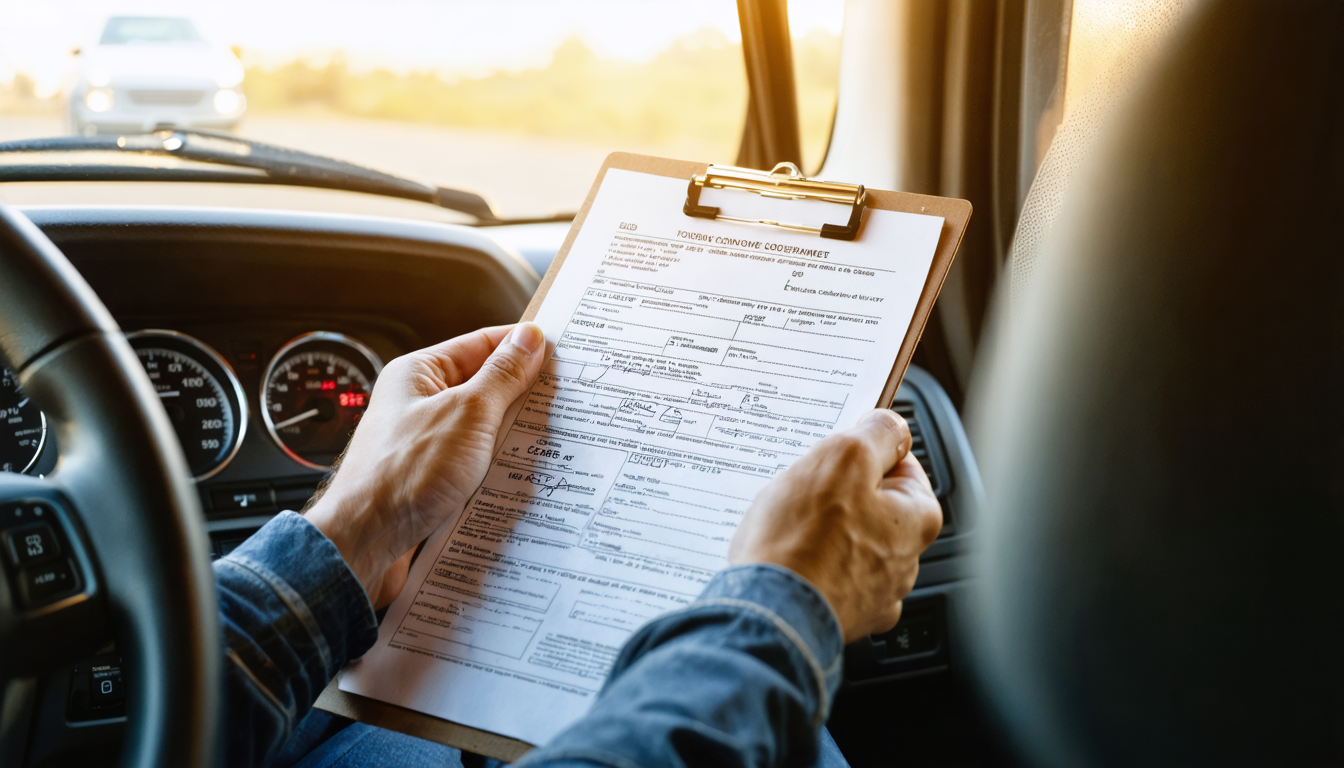
The FMCSA has quietly launched a significant overhaul of how trucking companies and owner-operators register and renew their operating authority. The new system includes biometric verification and a hardened anti-fraud framework—part of a broader Trump administration push to clean up carrier registration. If you've got an MC number or you're thinking about getting one, you need to understand what's changed and how it affects your business.
What Changed in the Registration System
The FMCSA's new anti-fraud registration system, launched in May 2026, adds biometric identification requirements to the carrier registration process. This means that when you apply for a new MC number or renew an existing one, you'll need to provide fingerprints and photo ID verification—not just paperwork. The stated goal is to prevent shell companies, repeat violators, and bad actors from simply rebranding and getting back on the road.
In practical terms: if you're an owner-operator registering for the first time, or if your MC is coming up for renewal, you'll encounter this process. The biometric data is checked against federal and state criminal databases, and the system flags applications that match known safety violators or people banned from operating under their own name.
Why This Matters for Your MC Number
Your MC (Motor Carrier) number is your license to operate. Without it, you can't legally haul freight for hire. The new system makes it harder to get one if you have a checkered past—which is the point—but it also means the process takes longer and requires more documentation.
If you're renewing, expect the timeline to stretch. Biometric verification isn't instant. Plan for 2–4 weeks longer than you might have experienced before. If you're applying fresh, start the process early. And if you've had safety violations, failed inspections, or other compliance issues in the past, the new system will surface them more thoroughly. You may be asked to explain or remediate those issues before your application is approved.
The upside: a cleaner registration system means shippers and brokers can trust the MC numbers they see on loads. That legitimacy matters on the loadboard.
How This Affects Getting Loads and Staying Compliant
Shippers and brokers increasingly verify carrier credentials before booking. A registration that passes the new biometric and anti-fraud checks becomes a stronger signal of legitimacy—especially on digital platforms like Doft, where instant load matching depends on carrier credibility.
But there's a compliance angle too. The new system ties your biometric registration directly to your safety record. If you rack up violations—hours-of-service infractions, vehicle defects, roadside inspection failures—those are now harder to hide behind a new company name or MC number. The system is designed to follow you, not the paperwork.
For owner-operators, this means: keep your safety record clean. Roadcheck weeks (like the ones in May that tightened capacity and lifted spot rates) will continue to happen, and inspectors will continue to pull you over. Every violation now goes into a system that's harder to game. That's actually good news if you run a tight operation—it levels the playing field against carriers who cut corners.
What You'll Need to Prepare
When you apply or renew, have these ready:
- Valid government-issued photo ID (driver's license, passport)
- Fingerprints (you can usually get these done at a local police station or through an authorized vendor; the FMCSA will direct you)
- Social Security number and date of birth
- Current address and any previous addresses from the last 5 years
- Details of any prior safety violations, accidents, or regulatory actions
- Proof of insurance (if you don't have it yet, get a quote—FMCSA requirements haven't changed)
If you're operating under a company name, you'll also need corporate documentation (articles of incorporation, EIN, proof of ownership). The system is designed to verify that the person applying is actually in control of the operation.
Timing and Next Steps
If your MC is expiring soon, don't wait. The new system is already live, and the queue is building. Start your renewal now through the FMCSA's online portal. If you're new to trucking or thinking about going independent, register early—the biometric verification step adds time to the process.
For those already operating with a valid MC, you don't need to do anything right now. But when renewal time comes, you'll go through the new process. And if you're on a loadboard like Doft, make sure your MC information is current and matches your FMCSA registration exactly. Discrepancies can slow down load matching and broker verification.
The Bottom Line
The new FMCSA registration system is a tightening of standards, not a loosening. It's designed to weed out bad actors and make it harder for unsafe or fraudulent carriers to operate. For legitimate owner-operators and small fleets, it means a slightly longer registration process but also a cleaner industry and stronger credibility when you're bidding for loads. Keep your safety record clean, get your paperwork ready early, and don't be surprised if the process takes a bit longer than it used to. The system is working as intended.
Move freight smarter with Doft
Thousands of loads, instant matching, and fast carrier pay — all in one place.
Sign up free