
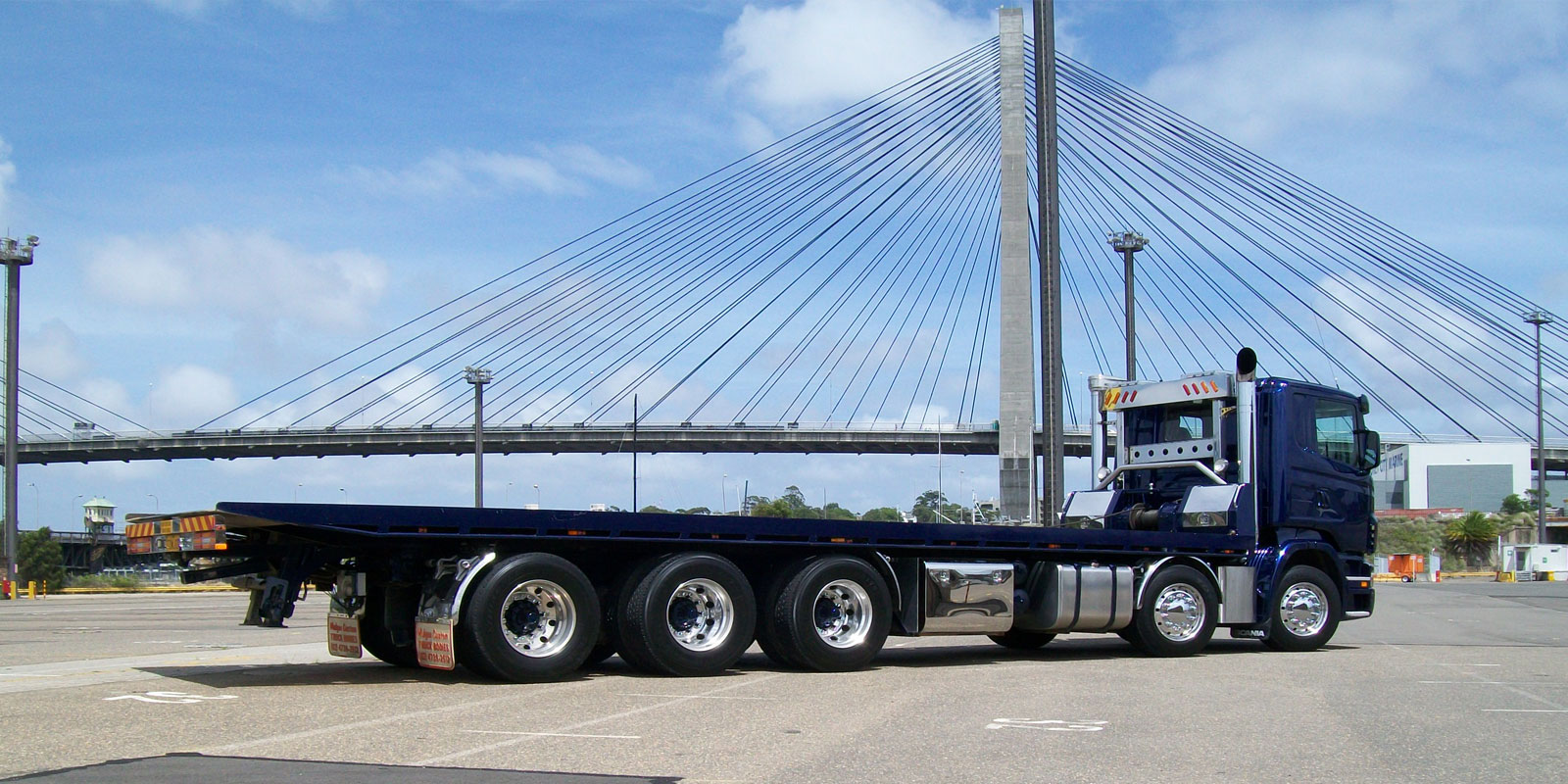
It is an almost predictable policy stance when it comes to energy consumption and freight: trucks get portrayed as the bad apples, despite their critical role in delivering everything that keeps modern life running.
Consider how the goods you order online actually reach your door, or how fresh groceries make it to your neighborhood store. Trucks do that work.
The International Energy Agency (IEA) is one group that has examined commercial vehicles in detail, in a report titled The Future of Trucks: Implications for energy and the environment.
"Trucks are a major contributor to the growth in transport-fuel consumption, as well as rising carbon dioxide and air pollutant emissions," the IEA noted. "But the sector gets far less attention and policy focus than passenger vehicles." At the time of the report, only a handful of countries had energy-efficiency standards for heavy trucks, compared with about 40 countries with passenger-vehicle standards.
The group stressed that growth in oil demand from trucks has outpaced all other sectors, including passenger cars, aviation, industry, and petrochemical feedstocks. Trucks account for nearly a fifth of global oil demand, about half of global diesel use, a third of all transport-related carbon emissions, and a fifth of nitrogen oxide (NOx) emissions, a key air pollutant.
That focus on NOx and particulates is familiar to anyone who followed the decade-plus effort in America to reduce truck emissions to very low levels, an effort that was not cheap and came with few subsidies for truckers to go greener.
To its credit, the IEA acknowledged the value trucks provide: "Trucks are a key enabler of global economic activity and play an essential role in delivering goods or commodities across every point of the economic value chain, from production to sale."
The group warned that, absent action, oil demand from road freight could grow substantially in the coming decades, driven largely by economic growth in Asia. It then offered three broad recommendations.
Improve logistics and operations
The trucking sector can run more efficiently through near-term measures like using GPS to optimize routing and real-time feedback devices that monitor on-road fuel economy. Many fleets already do this. The IEA argued that bigger gains require more cooperation and data sharing across the supply chain, which can increase the load carried per trip and reduce empty miles, the trips trucks run with no load after a delivery.
Improve the efficiency of trucks and trailers
This includes aerodynamic retrofits to reduce drag and low-rolling-resistance tires. "New trucks can use additional technologies that cut idling, use lightweight materials and take advantage of improvements to truck engines, transmissions and drivetrains," the group said, adding that deeper cuts require hybrids and zero-emission trucks. Much of this is already underway; achieving 10 mpg for big rigs, once a milestone, is increasingly common.
Use alternative fuels
Natural gas, biofuels, electricity, and hydrogen can diversify fuel supply away from oil and reduce carbon emissions, especially when produced through low-carbon pathways. The industry has been experimenting broadly with all of these. The main stumbling block remains cost.
Remember that consumers want their orders delivered fast and cheap, and shippers continue to squeeze hard on freight rates, which pressures trucking's bottom line. That is not an environment conducive to spending more on green technology.
Taken together, the IEA argued, its recommendations could reduce energy use in road freight by 50 percent and emissions by 75 percent by mid-century. "For far too long there has been a lack of policy focus on truck fuel efficiency," noted Dr. Fatih Birol, the IEA's executive director.
From a trucker's perspective, the industry, especially in the U.S., has already been doing many of these things, often against significant resistance. If groups like the IEA truly want to reduce truck fuel consumption, supporting reasonable size-and-weight reform and healthier freight rates would help too.
Move freight smarter with Doft
Thousands of loads, instant matching, and fast carrier pay — all in one place.
Sign up free