
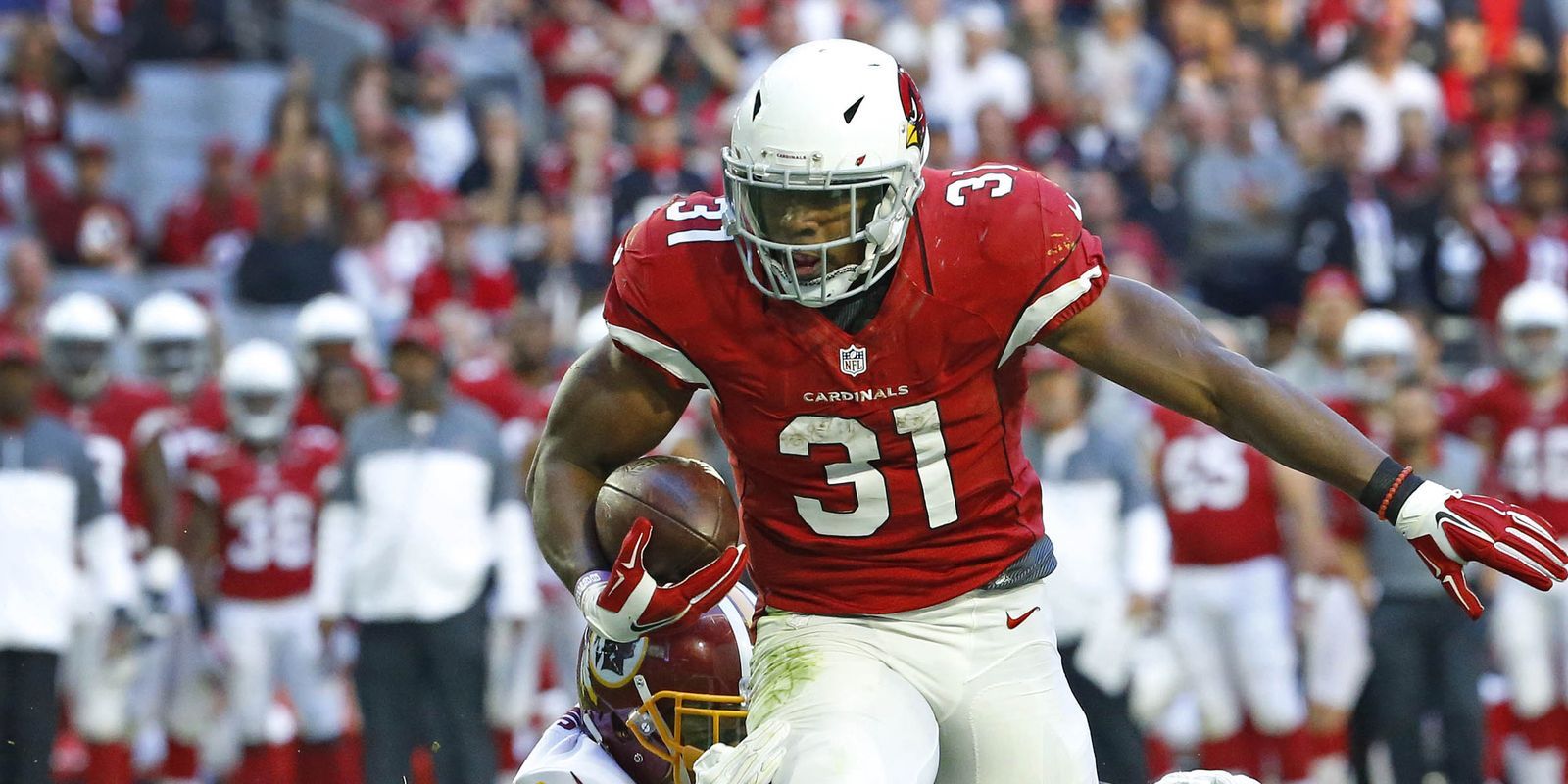
Drowsy driving is one of the most underrated safety risks behind the wheel, and a long-running telematics study put a striking number on it. Video-telematics provider Lytx found that the return of televised football season coincided with a measurable spike in drowsy-driving incidents among waste-fleet drivers - a pattern that holds a lesson for every fleet and driver.
What the Data Showed
Lytx analyzed driving behavior across a large base of commercial drivers using its exception-based video safety program, reviewing tens of billions of miles of driving data. Looking at behavior among drivers of 33,000 private waste vehicles over a multi-year window, the company noticed clear spikes in drowsy-driving collisions and near-collisions on Monday and Tuesday mornings following Sunday and Monday night televised games, compared with the rest of the year.
The seasonal effect was significant. Over the study period, the late-summer-to-fall stretch showed an average 53% increase in drowsy or falling-asleep driving events versus the rest of the year. Mondays and Tuesdays in that window were worse, with a 78% increase. In a particularly risky season, those figures climbed even higher.
Why Waste Drivers Are Vulnerable - and Why It Applies to Everyone
"Waste drivers have one of the toughest jobs in America, and on top of a strenuous work day, they tend to have very early shifts, heading out to make their rounds before the sun's come up," said Darrell Smith of the National Waste and Recycling Association. "Combine that with a late night of watching football, and the risk of drowsy driving is predictable - but solvable."
The same dynamic applies to truck drivers. Early start times, long hours, and late nights are a recipe for fatigue - whether the cause is a football game, a poor sleep schedule, or simply pushing too hard.
The Takeaway for Fleets and Drivers
The fix is not complicated, even if it is easy to ignore. As Lytx's Dave Riordan put it, fleets "would benefit from encouraging their drivers to get more sleep" during high-risk stretches.
For drivers, the practical advice is timeless:
- Prioritize a full night's sleep before an early shift, especially after a late evening.
- Recognize the warning signs of fatigue - drifting, heavy eyes, missed exits - and stop before they become dangerous.
- Use breaks to actually rest, not just to keep the clock running.
Drowsy driving rarely makes headlines the way speeding or distracted driving does, but the data is clear: tired drivers crash more. A little extra sleep is one of the cheapest safety investments a fleet can make.
Move freight smarter with Doft
Thousands of loads, instant matching, and fast carrier pay — all in one place.
Sign up free