
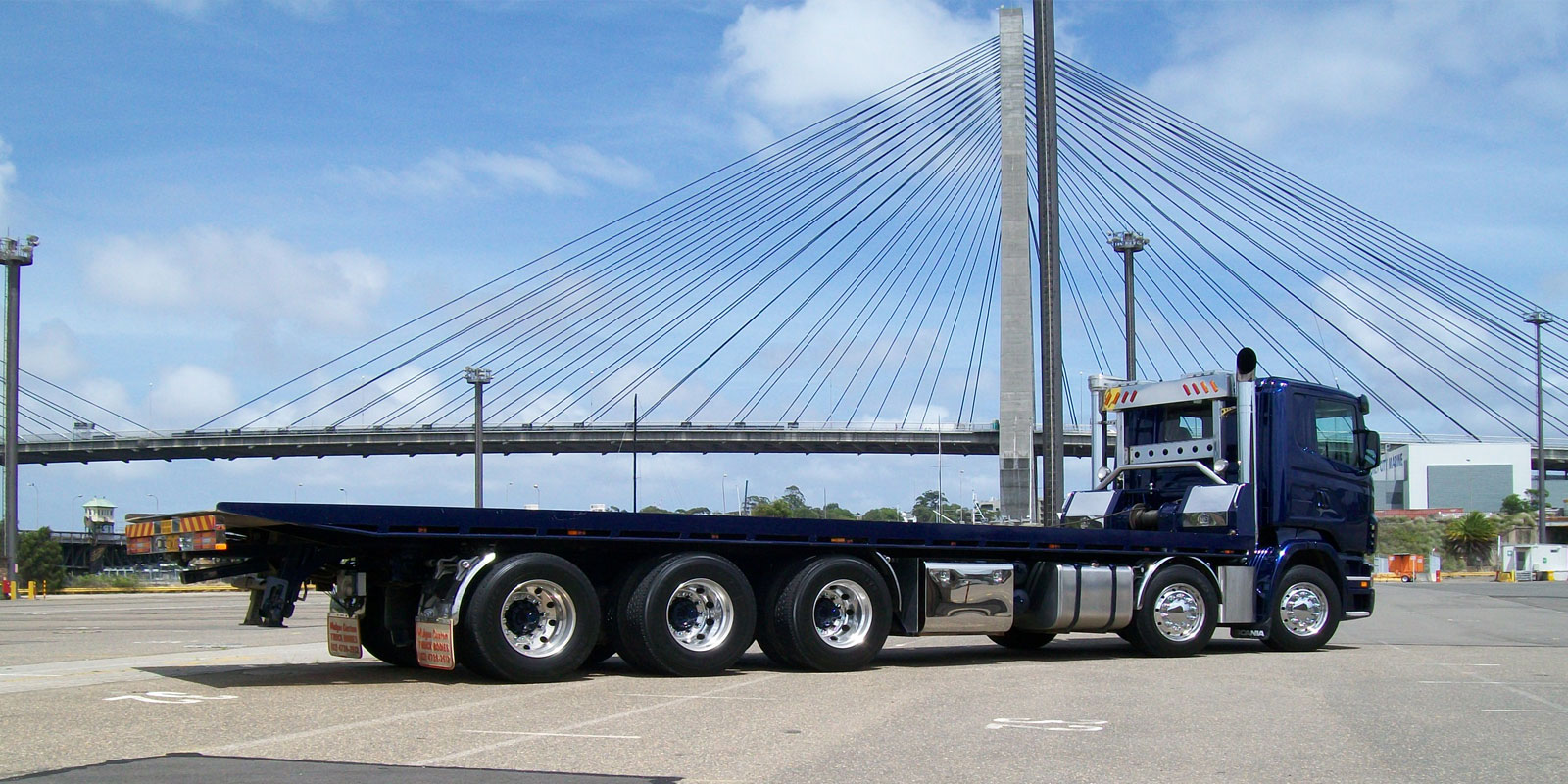
For years, some of America's biggest retailers benefited from a port-trucking system that pushed thousands of drivers into debt and grueling schedules - even as those same companies built sophisticated oversight of their overseas factories. A USA TODAY Network investigation documented how this happened at the ports of Los Angeles and Long Beach, and the story remains a cautionary tale about driver classification and lease-to-own arrangements.
How the Trap Was Built
In 2008, California moved to ban older, high-emission trucks from the harbor. Companies suddenly faced replacing roughly 16,000 aging rigs with newer, cleaner trucks - a multibillion-dollar bill.
To avoid that cost, much of the port-trucking industry launched lease-to-own programs that pushed the price of new trucks onto the drivers themselves. Trucking companies financed the fleet, then passed the cost of each truck to an individual driver - most of them classified as independent contractors responsible for their own expenses.
The Human Cost
For many drivers, the math never worked. Hundreds reported being coerced into lease-to-own contracts they did not fully understand, then ending up tens of thousands of dollars in debt to their own employers.
One driver testified that he regularly worked 19-hour days yet still went broke trying to pay off the truck his bosses promised him. Another described starting at 4 a.m., working more than 15 hours, and finding the lot where he was required to park barred shut - leaving him no choice but to keep working past federal hours-of-service limits.
When drivers got sick or fell behind on payments, some companies fired them, seizing both the truck and the tens of thousands of dollars already paid toward buying it.
By the numbers, the pattern showed up in the record: hundreds of drivers filed complaints with California's Labor Commissioner and in civil court, and dozens of companies were found to have misclassified drivers and cheated them out of fair pay through these contracts. Many later settled without admitting wrongdoing.
Two Standards
What made the story striking was the contrast with how the same brands policed their overseas supply chains.
After high-profile scandals in the 1990s and early 2000s, major retailers built extensive audit programs to weed out child labor, forced overtime, and sweatshop conditions in foreign factories - conducting hundreds of audits a year.
But those programs generally did not extend to the American trucking companies hauling their goods from the ports. As one labor expert put it, the attitude was effectively "not my problem, not my workforce." Another summed up the blind spot: "People assume the problems aren't here, but obviously they're here too."
Why It Matters to Drivers
The episode is a reminder of why driver classification is one of the most consequential issues in trucking. Whether a driver is an employee or an independent contractor determines who pays for the truck, who absorbs the risk, and who is protected by wage and hour laws.
For owner-operators and carriers, the lessons are practical: read every lease and contract carefully, understand exactly what you are responsible for, know your rights under hours-of-service rules, and be wary of arrangements that tie your truck, your debt, and your job to a single company. The drivers who move half the nation's imports deserve fair terms - and informed drivers are far harder to exploit.
Move freight smarter with Doft
Thousands of loads, instant matching, and fast carrier pay — all in one place.
Sign up free