
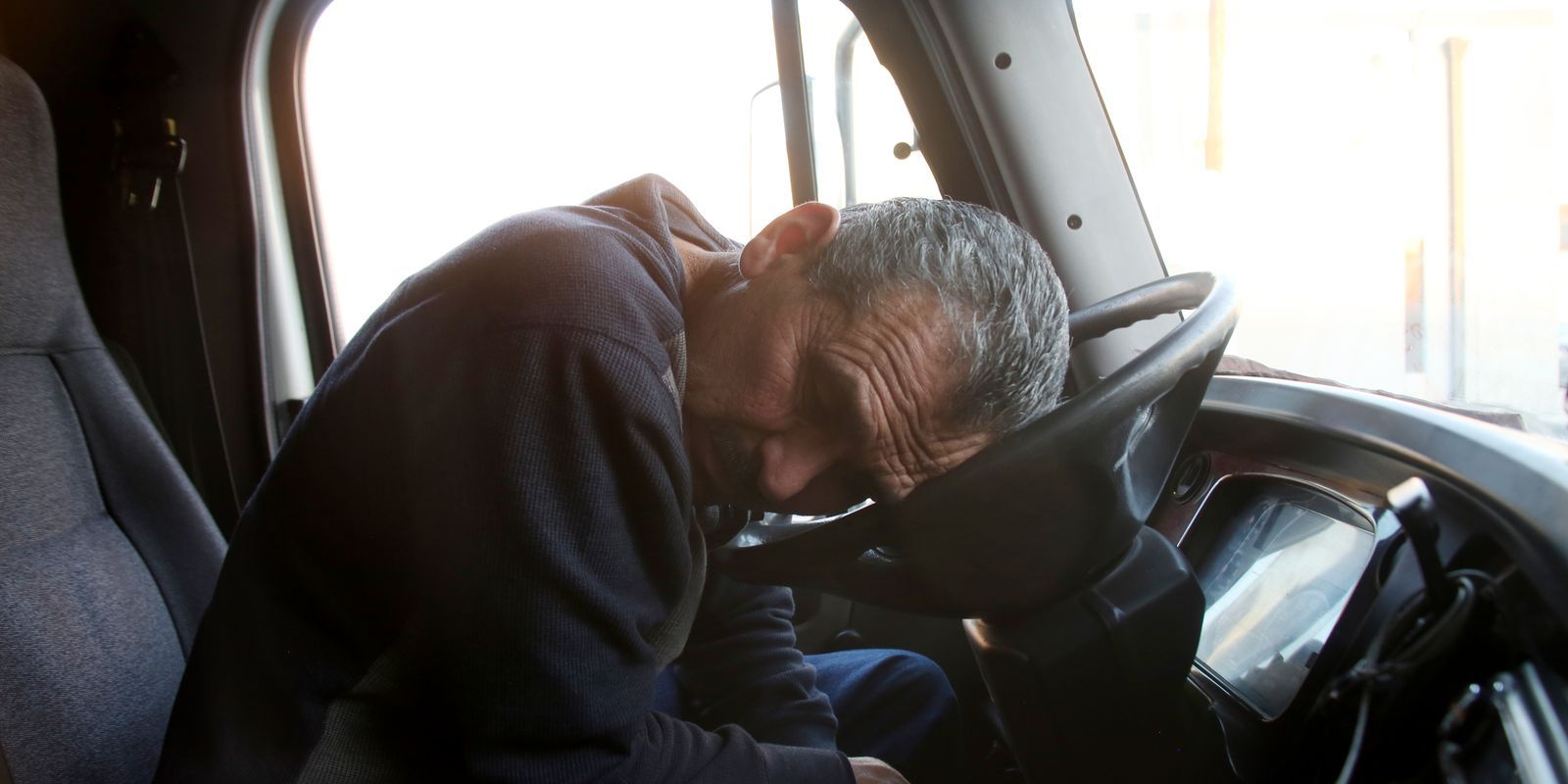
When driving long distances, especially at night, it is common to feel tired. If you need to stay awake while driving, get energy before a long drive with a short nap, drink caffeine and eat small healthy snacks on the road, and keep your mind engaged with music or talk radio. If you are too tired to drive, pull over and rest. It is extremely dangerous to drive when you cannot stay awake.
Getting energy before a long drive
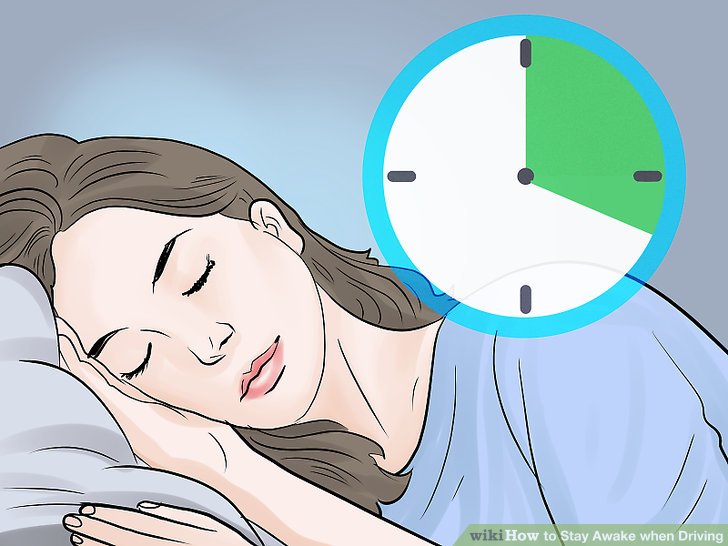
Take a nap before hitting the road. A brief twenty-minute sleep can help you recharge. If you have a big drive coming up, try to slip away for a short nap before getting on the road. Even less than an hour of sleep can provide the rest you need to stay alert.
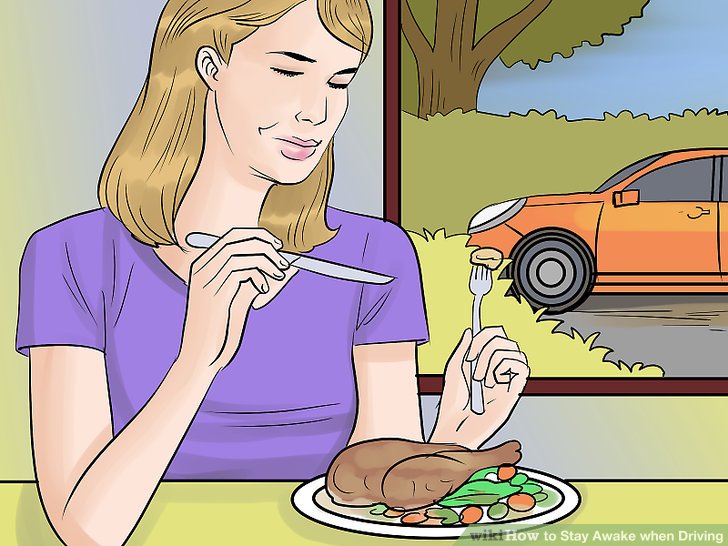
Have a healthy meal. Food gives your body the energy it needs. Before driving, opt for energizing foods that help you stay awake for long hours.
- Go for complex carbohydrates and lean protein. Whole grains and lean protein like turkey and chicken help you stay alert.
- Avoid fast food and anything high in sugar or processed carbs. These foods tend to make your energy dip shortly after eating.

Take vitamins. Vitamins B and C can help with energy. Consider a B or C tablet after a healthy meal. Talk to your doctor before taking vitamins regularly so you know what dose is safe and that they do not interfere with existing medication.
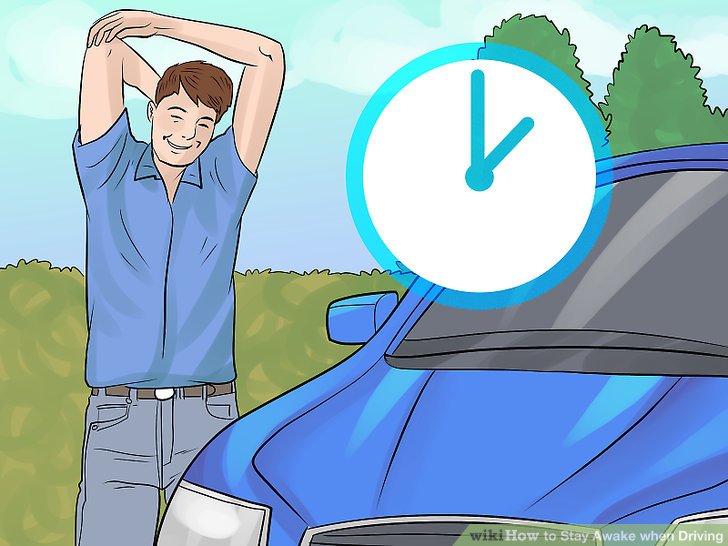
Choose the right times to drive. If you can decide when to start, drive when you feel most energetic. Pay attention to your natural energy spikes and dips throughout the day and plan around them.
Using food and drinks to stay alert
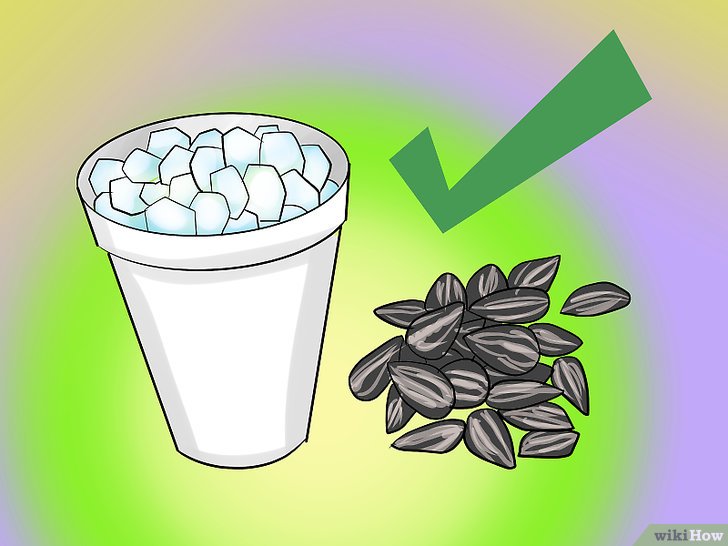
Have 100-calorie snacks. Light snacks around 100 calories provide enough sustenance to combat fatigue without making you crash. Sunflower seeds, often sold in 100-calorie packs, are a good option.
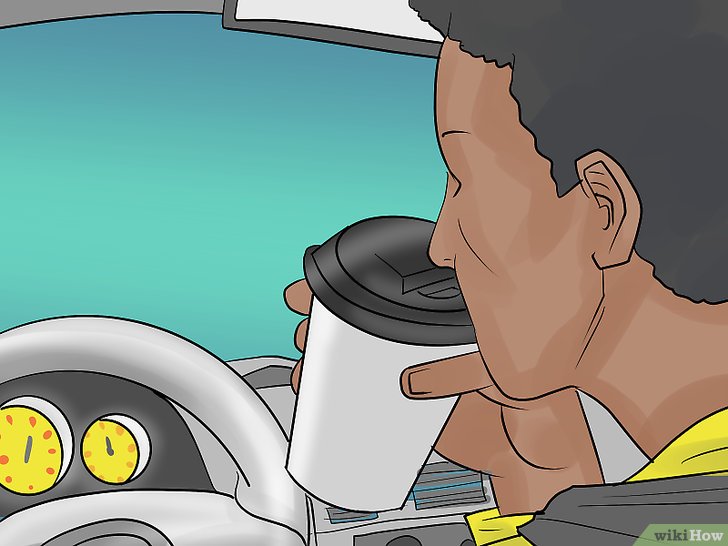
Drink caffeine. A single cup of coffee contains about 75 milligrams of caffeine, enough to wake you up a little while driving. Keep an eye out for filling stations and coffee shops along the road; pulling over for coffee also lets you stretch your legs.
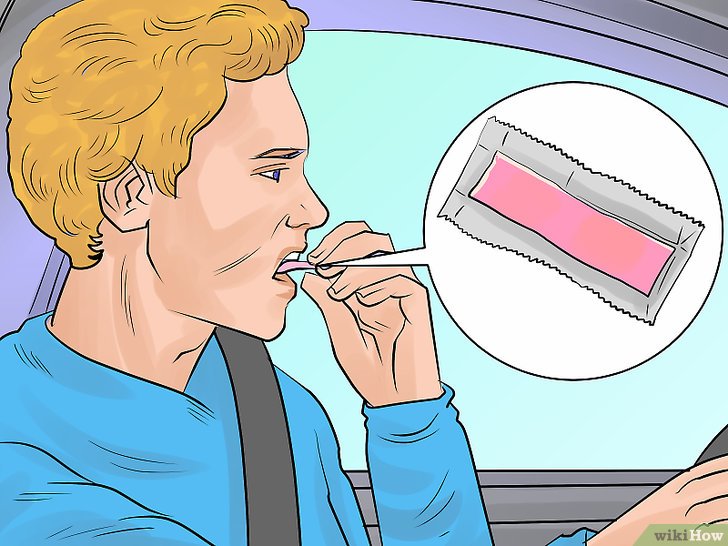
Chew gum. Keeping your mouth busy can help you focus and stay awake. Go for sugar-free gum; sugary gum can cause a crash that leaves you more tired than before.
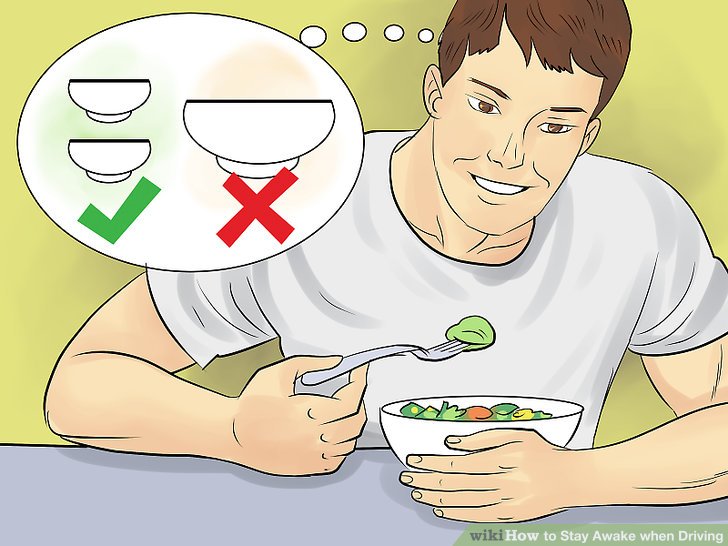
Watch your portion size. If you pull over to eat, go for small portions. Big, heavy meals can cause you to crash. Several small meals will keep you more energized than one or two big ones, and energizing foods like fruits, vegetables, whole grains, and lean proteins work best.
Staying alert in other ways
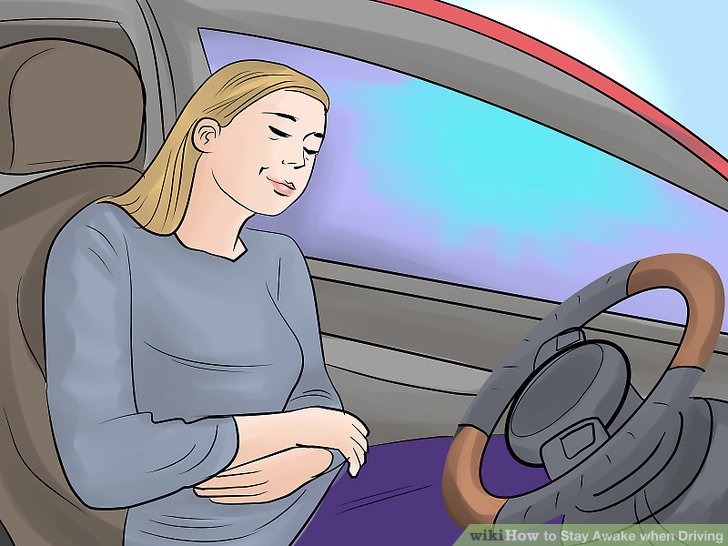
Try a mid-drive nap. If you are getting tired, pull over and take a fifteen-to-twenty-minute nap to recharge. Choose a safe spot far enough from the main road that you will not get hit by traffic, but not too isolated, such as a parking area near a filling station. Set an alarm so a short nap does not turn into an hour.
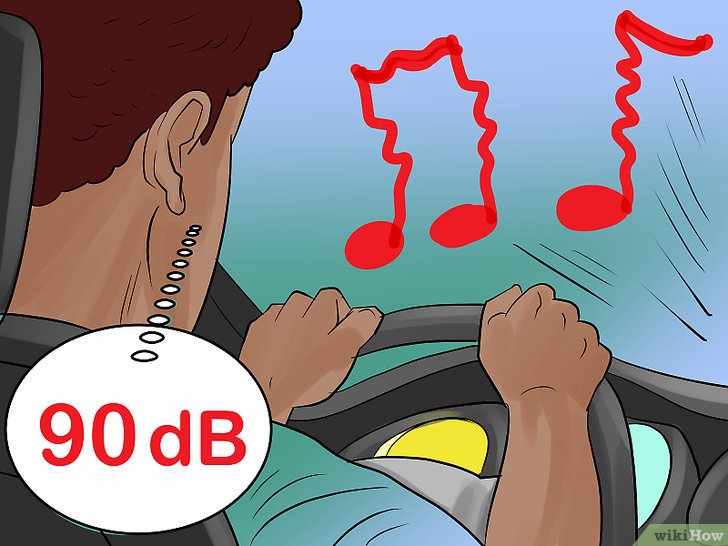
Turn the music up. If you feel drowsy, briefly turn up the stereo loud enough to jar you awake. Only do this for short periods; habitually listening to very loud music can damage your hearing.
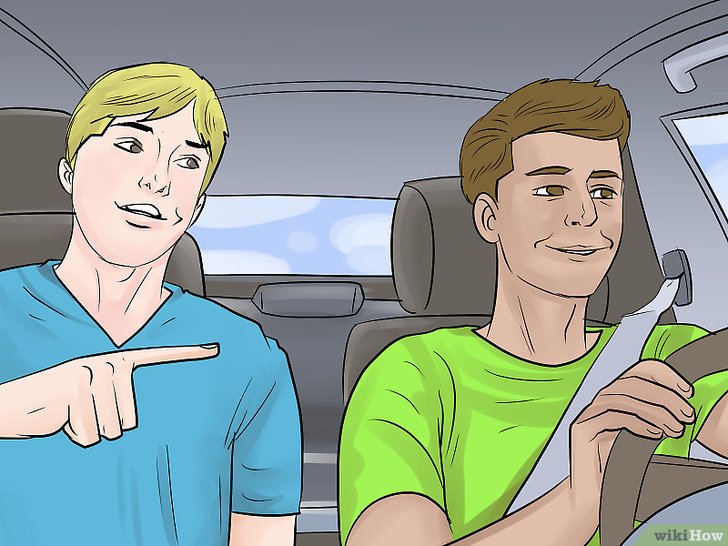
Travel with someone if you can. Having another person along lets you take turns driving. If you feel very tired, let the other person drive for a while.
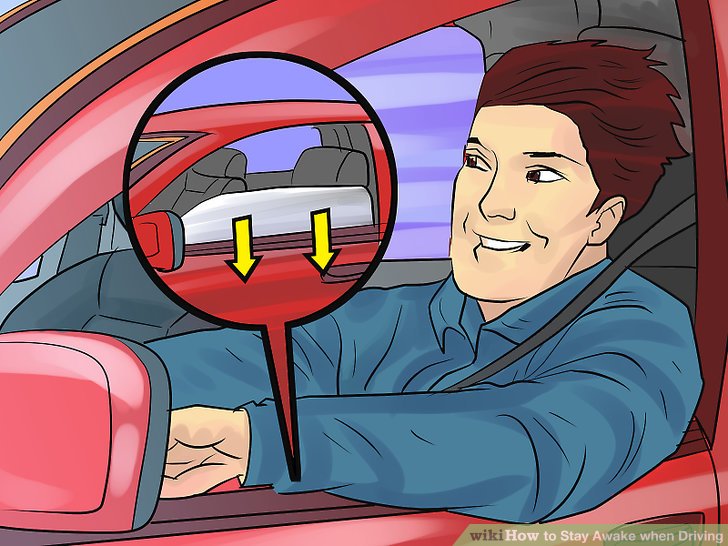
Open a window. The cool sensation of fresh air and the background noise can help wake you up for a few minutes.
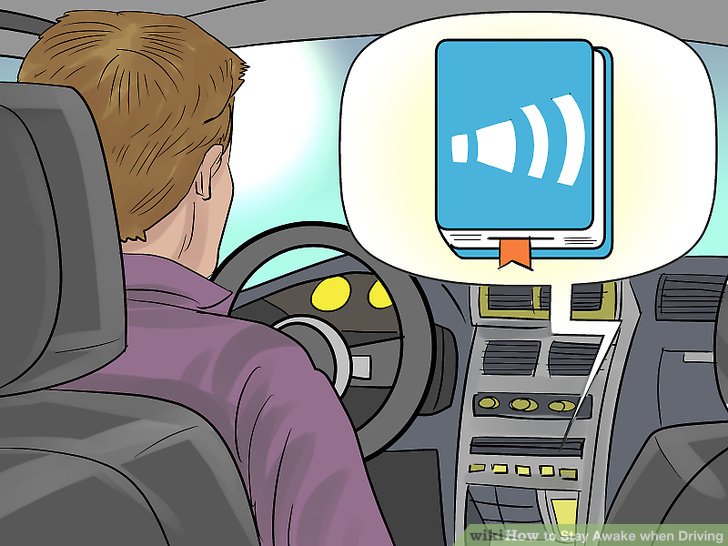
Find media that keeps you engaged. Listening to the same music for an entire trip can cause you to zone out. Try audiobooks, podcasts, or talk radio. Focusing on the words engages your attention and helps prevent you from nodding off.
Staying safe
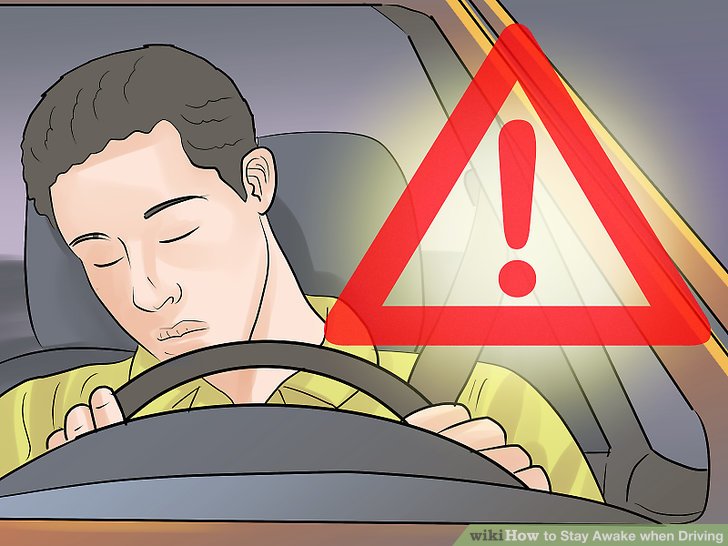
Recognize the signs that you are too tired to drive. If you notice any of the following, stop for the night:
- Frequent blinking and heavy eyelids
- Difficulty keeping your head up
- Frequent daydreaming
- Missing traffic lines, drifting into other lanes, or tailgating
- Difficulty remembering the last few miles you drove
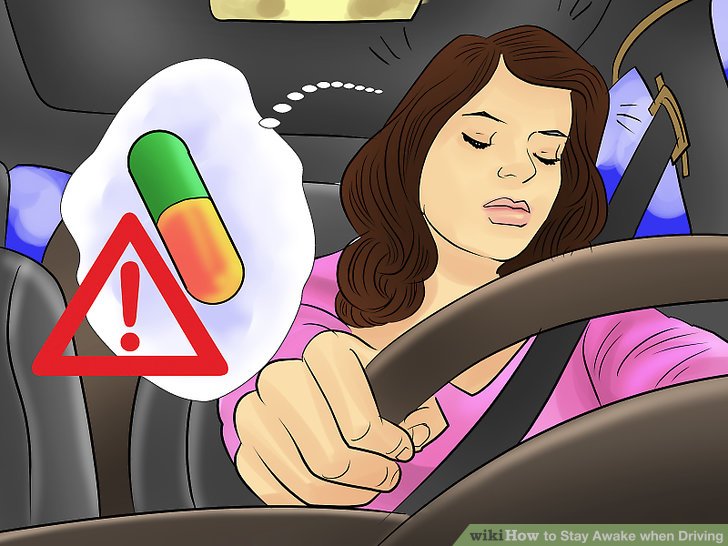
Read medication labels carefully. Some medications cause drowsiness. If a medication you must take regularly causes drowsiness, talk to your doctor about how to manage driving while taking it.
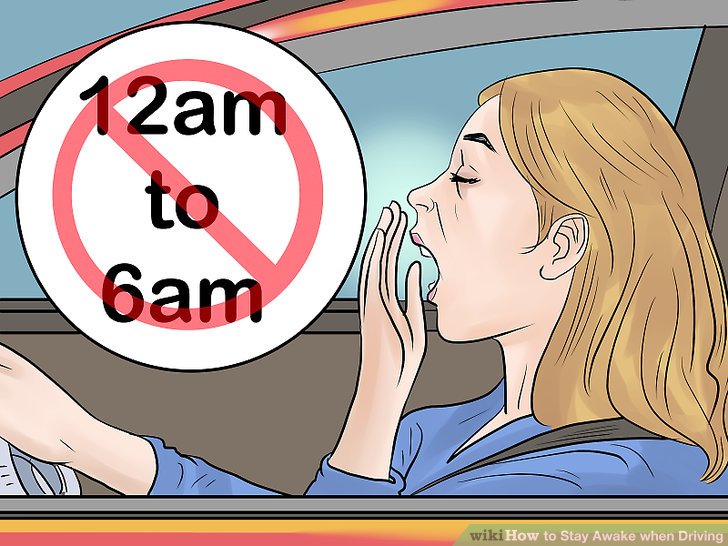
Avoid driving between midnight and 6 AM. Your circadian rhythm has a natural dip during these hours, increasing the risk of falling asleep at the wheel. If at all possible, refrain from driving in that window.
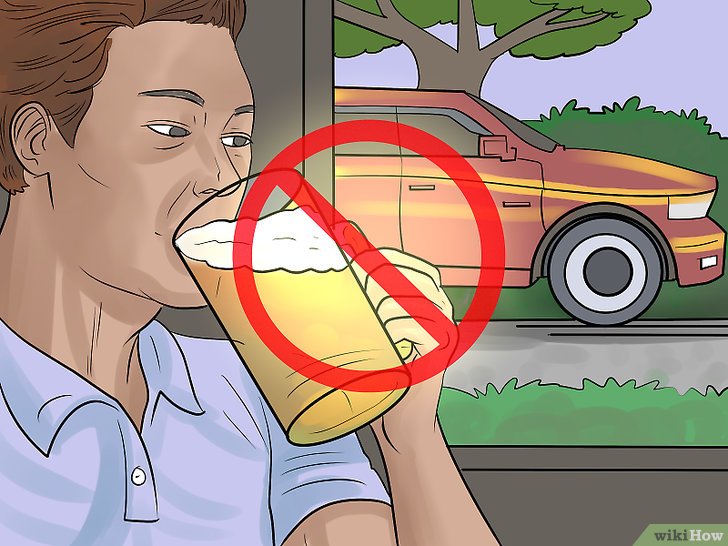
Do not drink alcohol before driving. Alcohol, even in small amounts, causes drowsiness. Do not have anything to drink before getting behind the wheel.
Move freight smarter with Doft
Thousands of loads, instant matching, and fast carrier pay — all in one place.
Sign up free