
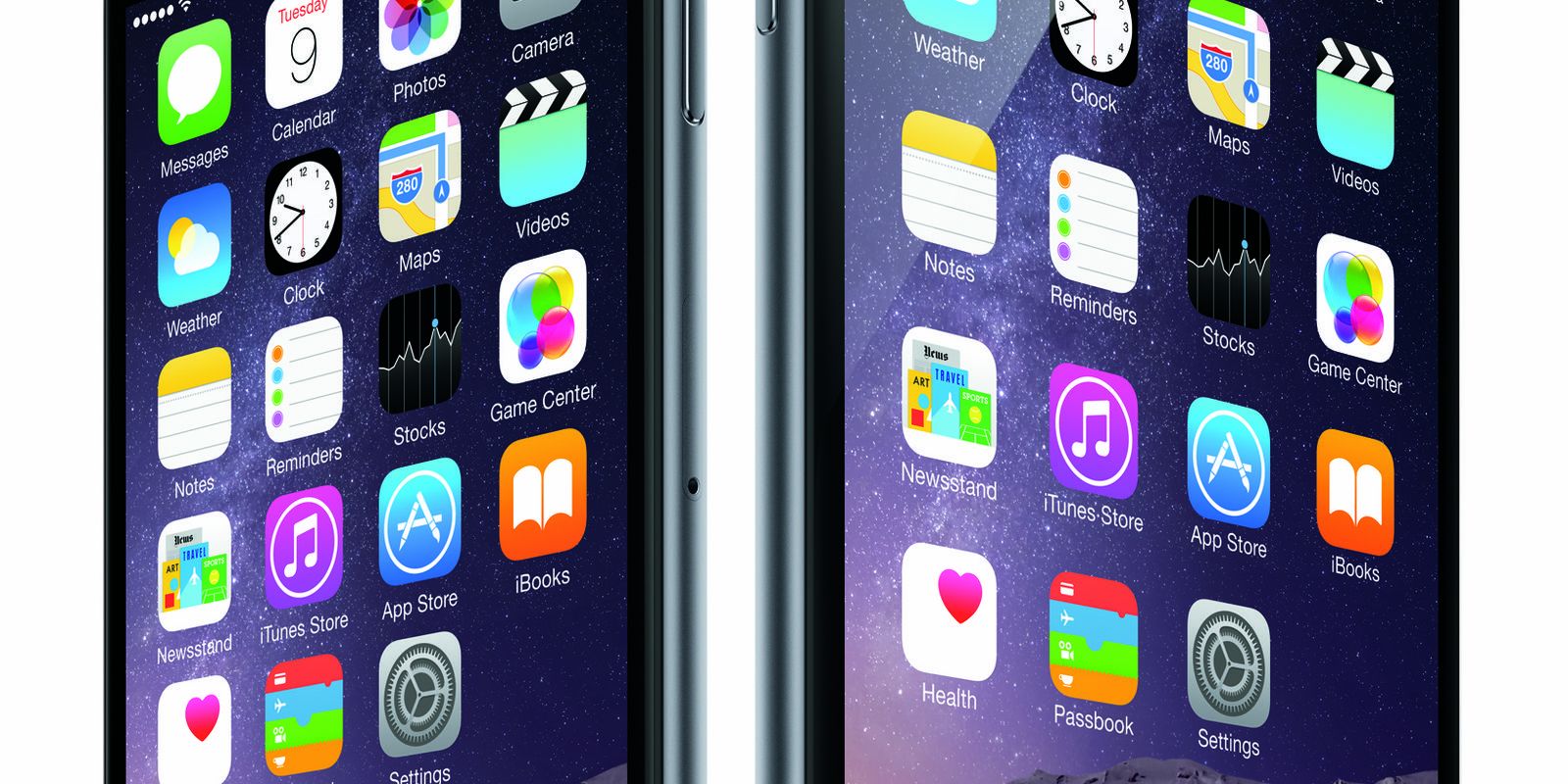
It is still hard to fully grasp just how much change is occurring in the trucking business thanks to the ubiquity of mobile devices — smartphones, tablets, you name it. The rapid proliferation of trucking apps is changing everything from how fuel is purchased and routes are navigated to how freight shipments are invoiced.
A report by global consulting firm Frost & Sullivan put it in perspective: mobile apps are expected to be one of the biggest disrupters within the North American transportation industry — an industry worth roughly $700 billion — and the mobile-app business in trucking alone was projected to be worth tens of billions of dollars per year by the mid-2020s.
Yet only a fraction of the more than 100 trucking apps available in North America were expected to survive long term, as competition in this space is fierce.
"Fleet optimization apps will drastically bring down cost barriers to adopt services that were previously only accessible through traditional telematics players requiring hardware," said Chandramowli Kailasam, team leader for commercial vehicle research at Frost & Sullivan. "That will help small fleets and owner-operators, which constitute 90% of the North American trucking carriers. Driver utility apps will make being on the road easy — with clear delivery instructions, documentation, payments, regulatory compliance, communication, points of interest, and most importantly finding loads with a press of a button to eliminate empty return miles."
He pointed out that on-demand freight apps allow for higher asset utilization among smaller fleets, helping reduce logistics costs for shippers through lower brokerage fees, easing the truck-capacity crunch, and cutting empty backhaul miles that total some 20 billion annually in North America.
The hard part: doing mobile well
Despite the rapid growth of mobile technology, most businesses still struggle to manage the chaos it creates. A multi-nation study of CEOs and remote workers conducted on behalf of IoT management firm SOTI found that many leaders simply don't understand how vital mobility has become — especially in the freight business, where many transportation and logistics CEOs fail to grasp the importance of rugged handheld devices in the field, despite the pivotal role they play in service delivery.
"As the future becomes increasingly mobile, devices and tools are being embedded with software, sensors and connectivity at a rapid pace," said Carl Rodrigues, CEO and founder of SOTI. "Our research highlights a lack of integrated mobility tools. Many organizations are using mobility for the basics, but do not know how to implement the next level of mobile integration to transform their workforce."
He warned that this leaves businesses with a piecemeal approach — a disconnected set of point solutions for business-critical operations.
"It's very much a sink-or-swim time for businesses. Ignoring the endless possibilities innovation brings could prove disastrous for organizations who fail to jump on board."
A separate survey of more than 1,000 line-of-business executives found that while companies recognize the importance of mobile apps, deploying and managing them is not as easy as they had thought, with challenges around user experience, cost, and ongoing maintenance. Trust in internal IT was low, with fewer than one in five respondents saying they would work with their in-house IT department.
Key findings from the executive survey
- Apps reign supreme: Nearly all respondents (98%) said their company would benefit from specific types of mobile apps.
- Unsatisfactory experience: Among leaders who invested in internal app development, 65% reported they were not completely satisfied with their IT department's management of the overall user experience.
- Lack of confidence in internal IT: Only 19% felt working with their in-house IT department was the best way to build their apps. The most common obstacles to internal development were lack of skilled staff (42%), limited IT budget (40%), and security (37%).
- External development isn't easy either: Of those who outsourced, 96% said they faced problems — higher-than-expected costs to build (43%) and to maintain (41%) the app, and a lack of customizable options (36%).
No doubt many trucking companies deploying mobile apps encounter some of those issues as well. It goes to show that technology isn't always the cure-all we expect it to be — the winners are the ones who choose tools that genuinely fit how drivers and dispatchers work.
Move freight smarter with Doft
Thousands of loads, instant matching, and fast carrier pay — all in one place.
Sign up free