
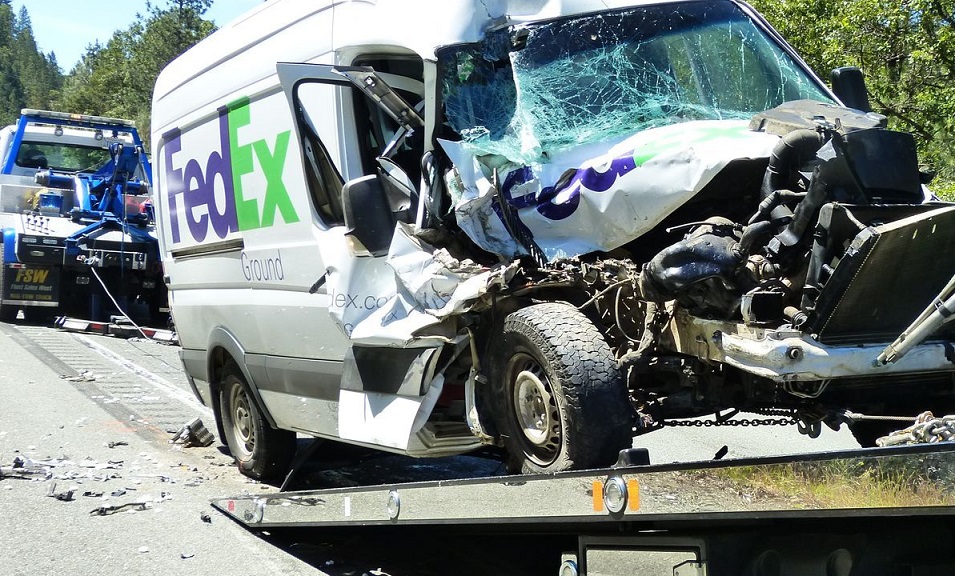
It is important to know what to do in the event of a big rig breakdown. As a professional driver, you will experience a mechanical failure sooner or later. Breakdowns are unpredictable and always annoying, but they are a fact of life in a trucking career.
There are several things to keep in mind to handle an equipment failure like a pro.
Be prepared
Part of your pre-trip planning should be making sure you have resources to find repair facilities and safe stopping spots along your route in case of mechanical failure. It is often possible to limp a broken rig into a shop or truck stop where there is food and facilities, rather than being stuck on the shoulder waiting for roadside service.
Reduce the odds of a breakdown
You can reduce the odds of breaking down with thorough pre-trip, post-trip, and on-route checks of the vehicle. Whenever possible, do these checks in daylight. Nighttime checks with a flashlight often miss early indicators of trouble.
If you do break down, don't panic
Keep your wits about you. Breakdowns can happen in unsavory places, in bad weather or bad neighborhoods. Making smart decisions can save your life.
Staying safe when broken down
Being broken down on the shoulder is very dangerous. You are exposed to fast-moving traffic in close proximity, and it only takes one inattentive driver to plow into you. If you are on the shoulder, stay alert and stay in your vehicle as much as possible. If you feel the truck starting to fail, even pulling onto an off-ramp is safer than the shoulder of the highway.
When your truck malfunctions, go for the widest pullover spot you can find. Turn on your flashers and watch your mirrors to monitor traffic behind you.
- Ease off the road rather than making a hard turn to the side, if possible.
- Once parked as far off the road as possible, get out and set up your flares or triangles behind the truck at roughly 50, 100, and 150 foot intervals.
- Tilting open the hood is a good way to signal that you are broken down and not moving anytime soon.
- Try to determine the problem and whether you can fix it yourself or need roadside assistance. With most modern trucks, an electronic issue will need a service call.
- Common breakdowns include faulty sending units and emission equipment, both of which require shop repair. Try to identify the issue before you call for assistance.
- If you are a company driver, call dispatch, explain the breakdown, and talk to the company shop foreman to see if they can advise you or arrange repair.
- Keep dispatch informed throughout the repair so they can keep the customer updated. Waiting and repair times can be brutal, and some shops are fully booked, which is another good reason to carry basic supplies and handle simple repairs yourself when the situation allows.
Handy supplies for a big rig breakdown
Carrying a range of supplies is always a good idea. These are basic items your kit should contain:
- Full wrench set
- Vice grips
- Electrical tape
- Adjustable hose clamps
- Heavy-duty air hose clamps
- Duct tape
- Plastic zip ties
- Extra oil and coolant
- Fuel conditioner
- Flares and triangles
- Fully charged fire extinguisher
- Windshield washer fluid
- Screwdriver set
- Tube of silicone
- Spare headlights, bulbs, fuses, and a few circuit breakers
- Flashlight
- Full set of warm clothing, boots, and gloves
- Sleeping bag or heavy blankets
- Dry food supply
- Cell phone and dispatch after-hours phone numbers
This may sound like a lot of gear, but it is better to have it and not need it than to need it and not have it. Breakdowns, like everything else in professional driving, require safety-conscious decisions. Always keep safety in mind, even during a breakdown.
Move freight smarter with Doft
Thousands of loads, instant matching, and fast carrier pay — all in one place.
Sign up free