
COVID-19 showed that many companies were not fully aware of the threats that can arise in their relationships with partners. Fortunately, many modern technologies can increase the transparency of operations throughout the supply chain.
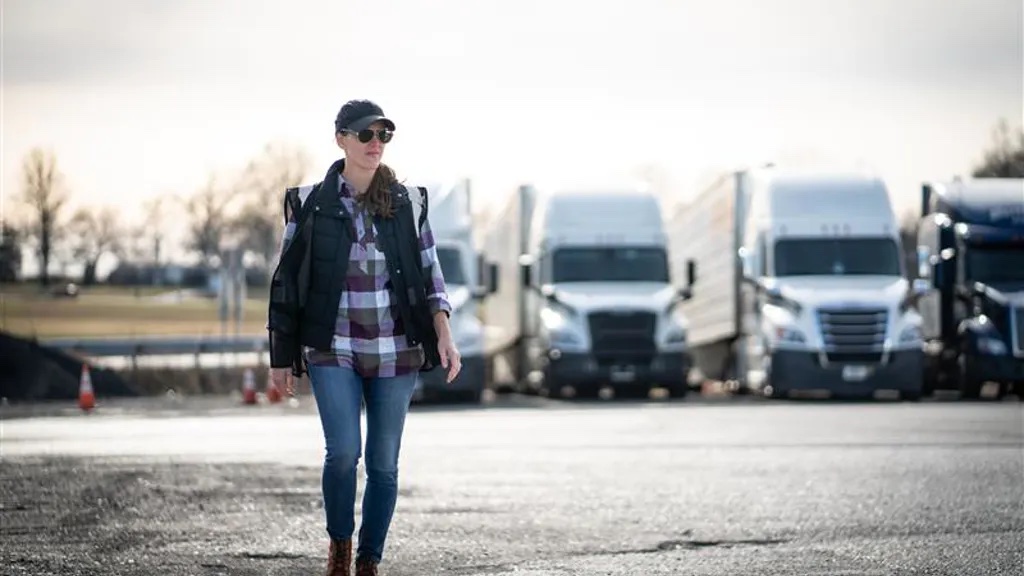
The demand for truck drivers has reached a boiling point — tens of thousands are still needed to keep the supply chain running smoothly. Many food and beverage retailers depend on truck deliveries, and missed deliveries mean missed sales. A shortage of dockworkers and drivers has directly affected the freight market, creating problems such as port congestion and soaring freight rates. According to The New York Times, global supply chains have been rocked by labor shortages, limited containers, and shipping delays.
Freight costs are not only rising — many sellers now leave costs in contracts open-ended or adjust them monthly or quarterly because of continuous rate changes and limited supply. For example, the price of corn sweeteners has surged at least 20%, with higher freight costs cited as a reason. One West Coast sugar importer said he could not lock in supply for the following year because the seller could not guarantee ocean freight.
Technologies that can help the supply chain
Lessons from the pandemic's effect on the supply chain may lead to greater use of information technology to speed up supply chain processes. For food safety, that includes e-certifications, blockchain data, and increased use of electronic documentation. By using data processing, companies can minimize costs, reduce inventory, accelerate asset turnover, eliminate surplus, and increase the flexibility needed to resolve disruptions.
The traditional linear supply chain has evolved into a digital supply network (DSN) model. DSN models break down cross-functional barriers and give organizations end-to-end visibility into operations, facilitating collaboration, increasing flexibility, and streamlining processes. They employ technologies such as the Internet of Things (IoT), artificial intelligence, robotics, 5G, cloud computing, predictive analytics, and machine learning to anticipate and address future challenges and maximize resource efficiency.
What businesses can do to mitigate the driver shortage
The solution is to recruit quality candidates and build driver loyalty. To find quality candidates and keep hiring smooth, businesses can use an applicant tracking system (ATS), which saves candidate information across every touchpoint. That way, between the phone screen and the in-person interview, whoever is leading the conversation already has all the background at their fingertips.
Businesses must also be transparent with their workers to build loyalty. The pandemic showed that to thrive in unprecedented times, businesses cannot forget the human side of the work — especially in trucking. To build worker loyalty, businesses must genuinely care about their drivers' health and safety, whether that means supplying tests when needed or compensating drivers who work in difficult conditions.
Adapting to changing consumer behavior in food
Shifts that started during the pandemic — online ordering, third-party delivery, and e-commerce — are likely to continue. This brings new food-safety risks and challenges that require careful analysis. Traceability, information exchange, and data collection and analysis are critical tools for the food supply chain and health industries.
Beyond selling more food online, food operators may continue to adapt or even change their business models. As restrictions ease, the food sector recovers and adapts, and improved sanitation to protect staff becomes part of daily activity.
Governments should support measures that keep the supply chain running so people have access to safe, nutritious food. That includes helping countries assess the short- and medium-term impact of disruptions, providing policy advice for agri-food systems with a focus on food safety, and promoting peer learning and the exchange of best practices.
In conclusion, modern technologies and solutions can significantly increase the transparency of supply chain operations and help organizations withstand large-scale upheaval.
Source: Food Logistics by Dmitri Fedorchenko of Doft.
Move freight smarter with Doft
Thousands of loads, instant matching, and fast carrier pay — all in one place.
Sign up free