
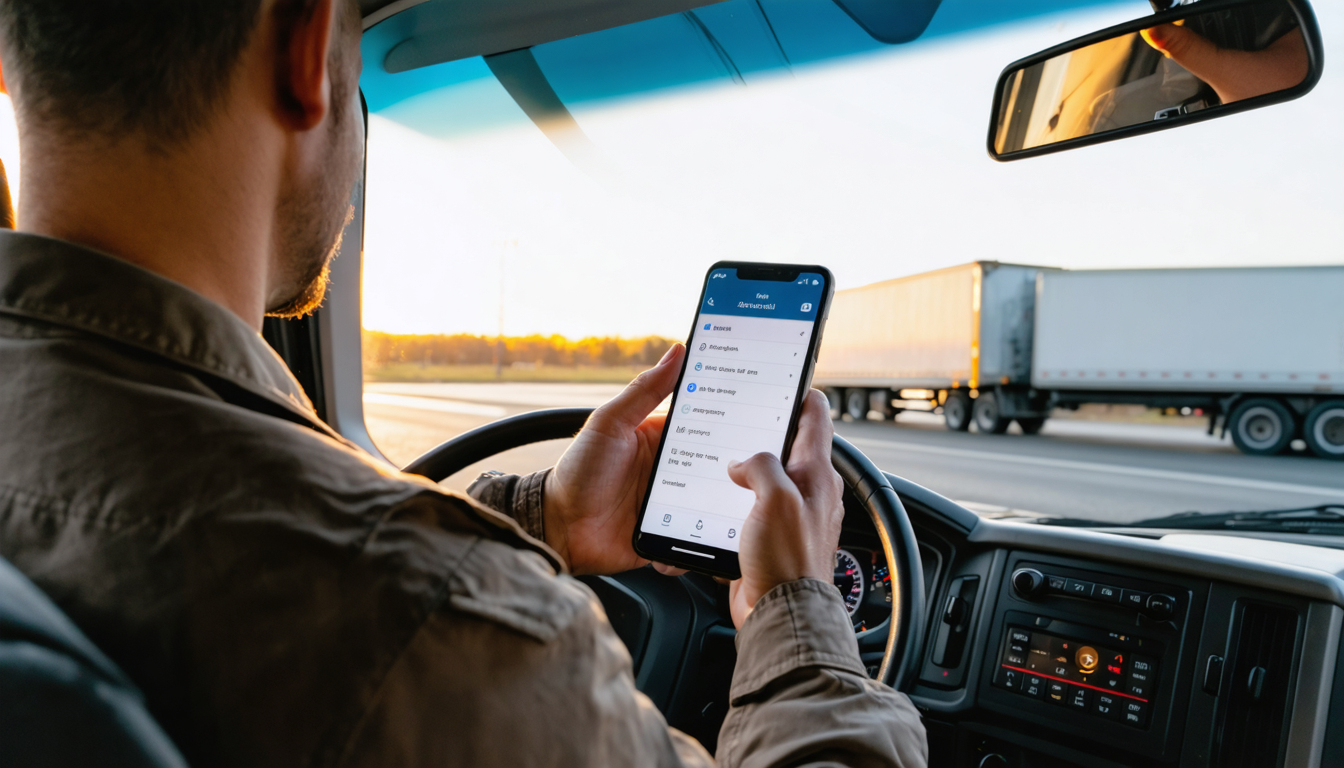
Your electronic logbook (ELD) is a regulatory requirement, but it's also a window into your truck, your location, your hours, and your earnings. A recent report on ELD software security gaps has raised a hard question: how secure is that data—and what happens if it isn't?
Owner-operators and small-fleet operators rarely think of their ELD as a security risk. But as the industry digitizes faster, vulnerabilities in ELD software are becoming a real concern. This is not alarmism; it's a practical issue that can affect your compliance record, your load booking, and your privacy.
What the Security Gaps Actually Are
ELD software vulnerabilities typically fall into a few categories: weak authentication (easy-to-guess passwords or poor login protocols), unencrypted data transmission (your logs and location sent over insecure channels), and poor API security (third-party apps that connect to your ELD without strong controls).
None of this is exotic. But when your ELD data is exposed, bad actors can see your exact location, your hours, and your cargo details—useful intel for theft, fraud, or worse. Some vulnerabilities also allow someone to tamper with your log entries, which could land you in compliance trouble with the FMCSA even if you did nothing wrong.
Who's Most at Risk
Smaller fleets and owner-ops using budget or lesser-known ELD providers are often at higher risk. Larger carriers tend to invest in more robust security. But any driver using an ELD with poor update practices, outdated software, or weak password policies is exposed.
If you're using an ELD that hasn't been updated in months, or if your provider doesn't offer two-factor authentication, you're running a higher risk profile. And if your ELD integrates with a loadboard, TMS, or fuel card app without strong API controls, that's another door.
Practical Steps to Protect Yourself
Use strong, unique passwords for your ELD account. Not your driver's license number, not your truck number. A real password: mix of upper, lower, numbers, and symbols, at least 12 characters. Change it every 90 days.
Enable two-factor authentication if your ELD provider offers it. Yes, it's one extra step. It's also the difference between a hacker getting in and being locked out.
Keep your ELD software updated. When your provider releases a patch, install it. Don't wait. Patches often patch security holes.
Check your ELD's privacy and data-sharing settings. Know what data your ELD is sharing with third parties. If you don't recognize an app or service with access to your account, revoke it.
Use a secure Wi-Fi or cellular connection when logging into your ELD on the road. Avoid public Wi-Fi at truck stops for sensitive account access. If you're on a loadboard like Doft booking loads, use the same caution.
Monitor your account activity. Most ELD providers let you see login history. Check it regularly. If you see a login from a place you weren't, change your password immediately and contact your provider.
What to Do If You Suspect a Breach
If you notice unusual log entries, unexpected location data, or any sign that someone accessed your account, report it to your ELD provider and the FMCSA immediately. Document everything. If your logs were tampered with, the FMCSA needs to know it was not your doing.
Also notify your insurance carrier and any brokers or shippers you work with regularly. A compromised ELD could affect your authority or your ability to book loads if it leads to compliance questions.
The Bigger Picture
The FMCSA and industry bodies are aware of these gaps. Expect more guidance and possibly stricter ELD certification standards in the coming months. For now, the responsibility is yours: choose a reputable ELD provider, keep your account locked down, and stay alert.
Your ELD is not just a compliance tool—it's a digital asset that holds sensitive information about you and your business. Treat it with the same care you'd treat your truck keys.
Move freight smarter with Doft
Thousands of loads, instant matching, and fast carrier pay — all in one place.
Sign up free