
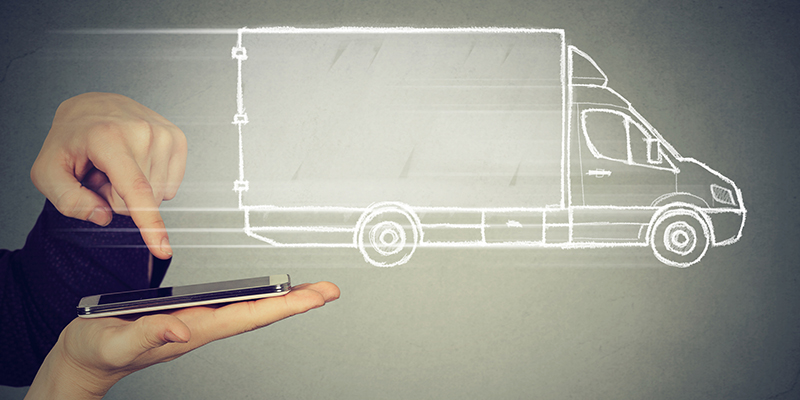
Trucking tech is more than just the CB radio. Way more.
Modern supply-chain problems require modern solutions, and digital brokerage is a great way to unplug the bottleneck. Going digital pushes the freight industry forward and makes it easier for companies to connect. Industry research has long shown that digital disruption is transforming logistics, and digital supply chains have become a necessity for ensuring timely shipments and maintaining shipper-carrier relationships.
What Is Digital Freight Brokerage?
A digital freight broker is an online matchmaker that connects companies and shippers with truck drivers. These platforms typically use an online application with programmed algorithms to connect companies and carriers quickly and effectively. Digital brokerage automates business operations and moves toward paperless workflows, saving time at every step.
Digital Brokerage Gains Ground
A new category of fully digital brokers is on the rise. For years the supply chain has been building digital capability by moving transportation management systems (TMS) to the cloud and adopting digital freight apps. The digital freight brokerage movement was driven by platforms like Doft that use self-service marketplaces to match shippers with carriers.
Recent disruptions revealed the fragility of supply-chain ecosystems. As the backbone of national economies, supply chains have had to respond fast and flexibly. From cloud services to tracking software fueled by the Internet of Things (IoT), the digitization of the supply chain has grown quickly. A large share of retail and manufacturing companies have already started digitalization projects in their supply-chain operations.
Supply-chain operators now use fleet management technology to make their processes safer and more efficient. Connected fleet management uses GPS to track operations and gather data on a fleet's location and activity.
By adopting cloud-based TMS platforms, brokers gain more visibility into their operations. They can record every shipment detail, often in real time, and use that data to inform future loads and lanes. These tools give brokers better process control and help strengthen partnerships between shippers and carriers.
Automation also makes it easier for drivers and customers to book freight. Just pick the pickup and dropoff points and the weight of the freight, and you can be matched with a driver. That's far more efficient than calling several drivers or brokers to arrange a service and gather quotes.
A digital broker makes repeat deliveries easier too. Delivery details from previous shipments are saved, which streamlines scheduling for customers who use the service again. There are ancillary benefits as well: paperwork becomes easier, contracts and forms live online, and digitized documents reduce paper use.
The Future of Digital Brokerage
Digital brokerage is the future of supply-chain management. Truck drivers increasingly rely on mobile apps for digital load tracking and freight matching. Platforms designed to match cargo needs with truck availability keep gaining ground, and software-as-a-service tools let customers track shipments in real time. Integrated monitoring systems eliminate the need for drivers to check in constantly with dispatchers and brokers along the route.
As the industry continues to digitize, digital brokerage will keep growing until companies and drivers can't imagine working without it.
Move freight smarter with Doft
Thousands of loads, instant matching, and fast carrier pay — all in one place.
Sign up free