
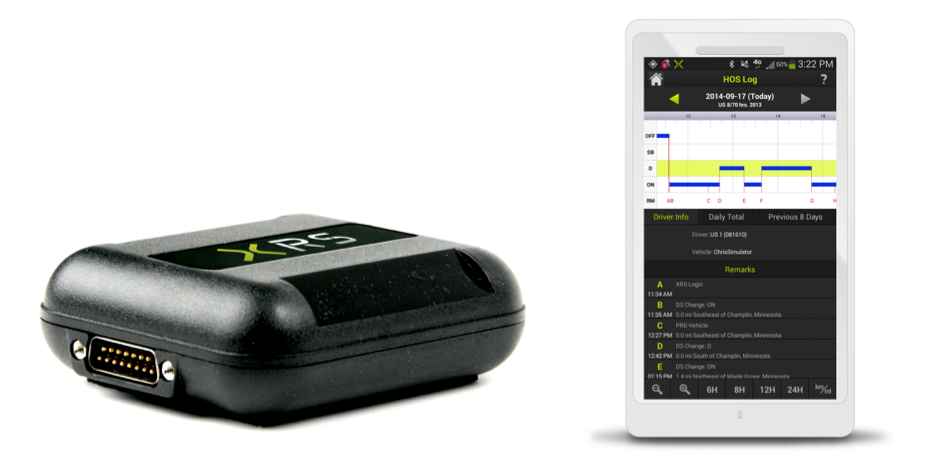
One of the more confusing corners of the electronic logging device (ELD) mandate is the pre-2000 exemption, and the Federal Motor Carrier Safety Administration (FMCSA) clarified how roadside enforcement should apply it. The short version: the exemption is determined by the engine model year, not the truck's model year.
For owner-operators running newer chassis with older mechanical engines, that distinction is the difference between logging on paper and being forced into an electronic device.
A real-world example
Take owner-operator Randy Carlson of Minnesota. His truck is a 2001 Freightliner Classic chassis powered by an older, fully mechanical Caterpillar engine. With the pre-2000 model-year exemption originally tied exclusively to the model year of the truck, he would have had to invest in an ELD workaround to keep the truck compliant — or back-fit his finely tuned mechanical engine into a pre-2000 cab and chassis to keep running it legally.
When FMCSA confirmed it would direct enforcers to default to the engine model year in situations where the truck and engine model years differ, Carlson's response was simple: "Sounds like it's a good day for me." It was good news for a lot of glider owners, too.
FMCSA spokesman Duane DeBruyne confirmed the guidance and explained the rationale.
"The original intent of the provision was to address the fact that pre-2000 model-year trucks may not allow an electronic logging device to easily and inexpensively connect to the engine. While the Agency has confirmed that there are ways of equipping pre-2000 model-year vehicles to use an ELD consistent with the rule's technical specifications, these are typically neither cost-beneficial nor practical" for owners.
The cost of indecision
The clarification came after a long stretch of uncertainty, and that indecision carried real costs. Before the change, Carlson had located a 1996 Freightliner powered by a same-year Detroit Series 60 and put roughly $7,000 into getting it road-ready, planning to drive it in the interim until he could find a pre-2000 cab and title to pair with his mechanical Caterpillar. With the new guidance, that plan no longer made sense — a reminder of how regulatory ambiguity can push operators into expensive workarounds.
The reverse can sting, too. Anyone who took a 1999 truck and dropped in a newer (say, 2003–04) engine, expecting to dodge the mandate on the truck's age, is now out of luck: under the engine-year rule, they'd need to run electronic.
Practical takeaways
- The exemption follows the engine model year, not the truck's model year.
- If your engine qualifies but the year isn't clearly stamped on the engine, carry documentation — for example, a printout from the engine manufacturer — to show roadside enforcement.
- Before buying a glider or swapping engines to chase an exemption, confirm the current rule first. A mismatched engine and chassis can leave you owing an ELD anyway.
Compliance details like this rarely make headlines, but for owner-operators running older iron, getting the exemption right is the difference between a clean inspection and an out-of-service order.
Move freight smarter with Doft
Thousands of loads, instant matching, and fast carrier pay — all in one place.
Sign up free