
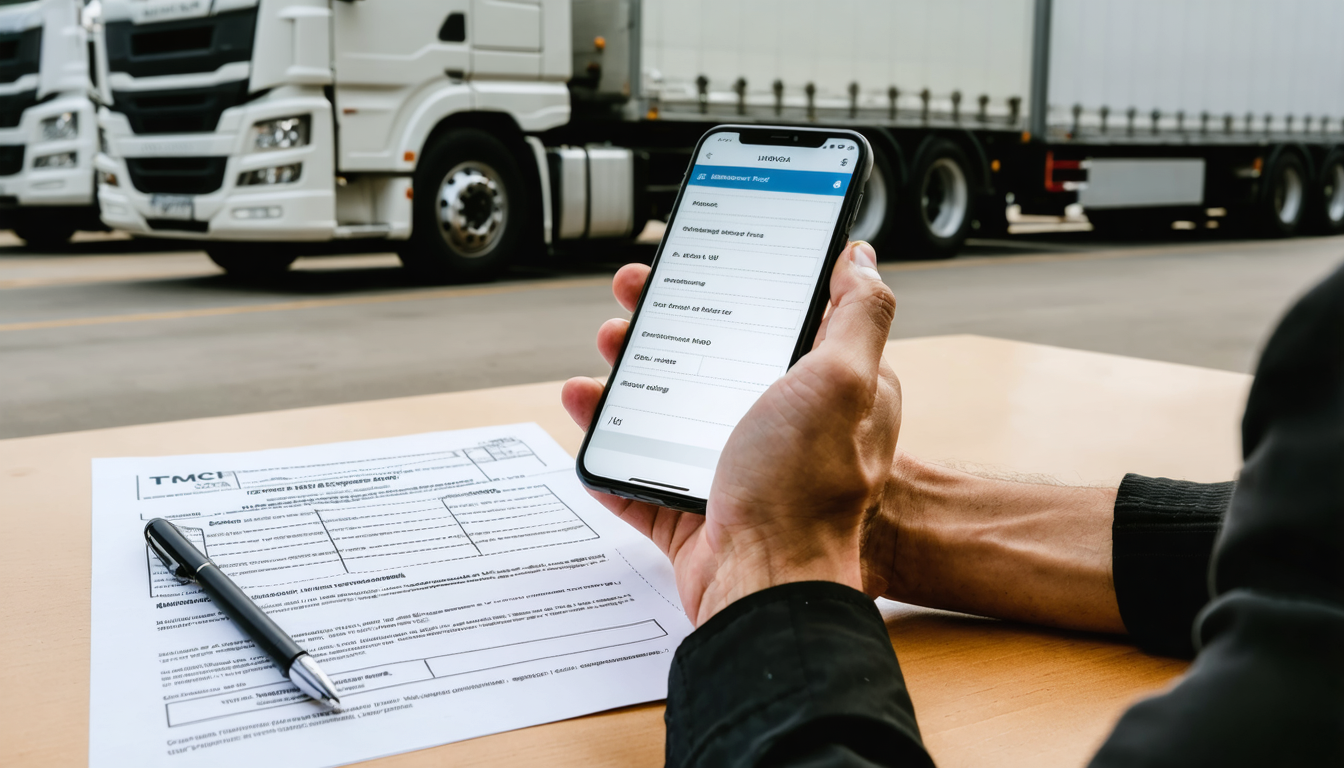
Tight freight capacity and record-high rates create opportunity—and they also create cover for fraud. Chameleon carriers (operators who switch identities to dodge compliance records), fake brokers, and shell companies are proliferating across the trucking market right now, and owner-operators and shippers who move fast without vetting are the easiest targets.
The American Trucking Associations recently called out the scale of the problem, and it's getting worse as rates spike and desperation grows. If you're an owner-operator or dispatcher, you need to know how to spot these operators before you hand over a load or a deposit.
What Is a Chameleon Carrier?
A chameleon carrier is a trucking operation that repeatedly re-registers under new business names, MC numbers, or shell company structures to hide a history of violations, accidents, failed safety audits, or fraud. They might operate for six months, rack up DOT infractions, then dissolve and reappear under a new identity.
They do this because FMCSA violations—especially serious ones like hours-of-service violations, unsafe driving records, or cargo-related incidents—follow an MC number. A new company name and a new MC number can make a dirty record disappear from a quick lookup. It's a cheat, and it's common enough that the ATA has called for federal action to shut it down.
Red Flags to Spot Before You Book
New MC Number with Old Equipment. If a carrier has a brand-new MC number but claims years of experience, or if their equipment looks well-worn and their company is registered just weeks old, that's a warning sign. Cross-reference their MC number with FMCSA SaferWeb. If the company is brand-new but their equipment is not, ask why.
Inconsistent Business Names and Addresses. A legitimate carrier has stable branding and a physical office address. Chameleon carriers often list a PO box, a shared dispatch facility, or an address they share with dozens of other small carriers. Use Google Maps to verify the address actually exists and is a real business location.
No Insurance or Vague Insurance Details. Always request proof of current cargo and liability insurance directly from the carrier's insurance broker—not from the carrier themselves. Call the insurance company to verify the policy is active. Fake brokers and shell carriers often claim insurance they don't actually have.
Broker Registration Mismatch. If you're booking through a broker, verify the broker's FMCSA authority number on the official FMCSA website. Enter their company name exactly as registered. Scam brokers often use names similar to legitimate ones (e.g., "ABC Freight Solutions" vs. "ABC Freight & Solutions"). A one-word difference can hide a fake.
Too-Good-to-Be-True Rates. If a carrier is quoting rates 20–30% below market during a tight capacity period, ask hard questions. Legitimate carriers don't underprice dramatically in a seller's market unless they're desperate—which often means they're cutting corners or they don't intend to perform.
No Online Footprint or Outdated Information. Legitimate small carriers have at least a basic website, active social media, or a presence on industry directories. A carrier with zero web presence and a phone number that goes to a voicemail with a generic greeting is a risk. Check their Better Business Bureau rating and Google reviews—but be aware that fake reviews exist too.
How to Verify Before You Move
Run a Full FMCSA SaferWeb Report. Go to saferwebonline.com, enter the MC number, and review the carrier's safety rating, inspection history, and violation record. If the record is suspiciously clean for a carrier that claims years of operation, or if there are gaps in inspection history, that's unusual.
Call the FMCSA Directly. If you're unsure, call the FMCSA at 1-800-832-5660 and ask them to confirm the MC number is active and the carrier's legal business name. This takes five minutes and can save you thousands.
Request References from Actual Shippers. Ask the carrier for three shipper references from the last 12 months. Call them directly (don't use contact info the carrier provides—look up the shipper independently). Ask about on-time delivery, damage, communication, and professionalism.
Verify Insurance with the Carrier's Broker. Don't accept a copy of an insurance certificate from the carrier. Contact the insurance broker or underwriter directly and confirm the policy is active, the coverage amounts are as stated, and the carrier is listed as the insured.
Use a Vetted Loadboard. Platforms like Doft vet carriers and brokers before they can post loads or bid on freight. While no system is perfect, a loadboard with active carrier verification reduces the likelihood you're dealing with a shell operation or chameleon.
What to Do If You Suspect Fraud
If you've already been scammed—a carrier took a load and didn't deliver, or a broker took a deposit and disappeared—report it immediately to the FMCSA at saferwebonline.com or call 1-800-832-5660. Also file a complaint with the Federal Trade Commission at reportfraud.ftc.gov.
If you're an owner-operator who was defrauded by a broker, contact your state's attorney general and the Better Business Bureau. Document everything: emails, texts, payment records, load confirmations.
The Bottom Line
Tight capacity and high rates are real opportunity for honest carriers and shippers. But they're also a magnet for fraud. Spend 15 minutes vetting before you move a load. Verify MC numbers, insurance, and references. If something feels off, trust that instinct—there are always other loads.
Your reputation and your cash flow depend on working with real operators. Chameleon carriers and fake brokers are betting you won't take the time to check. Prove them wrong.
Move freight smarter with Doft
Thousands of loads, instant matching, and fast carrier pay — all in one place.
Sign up free