
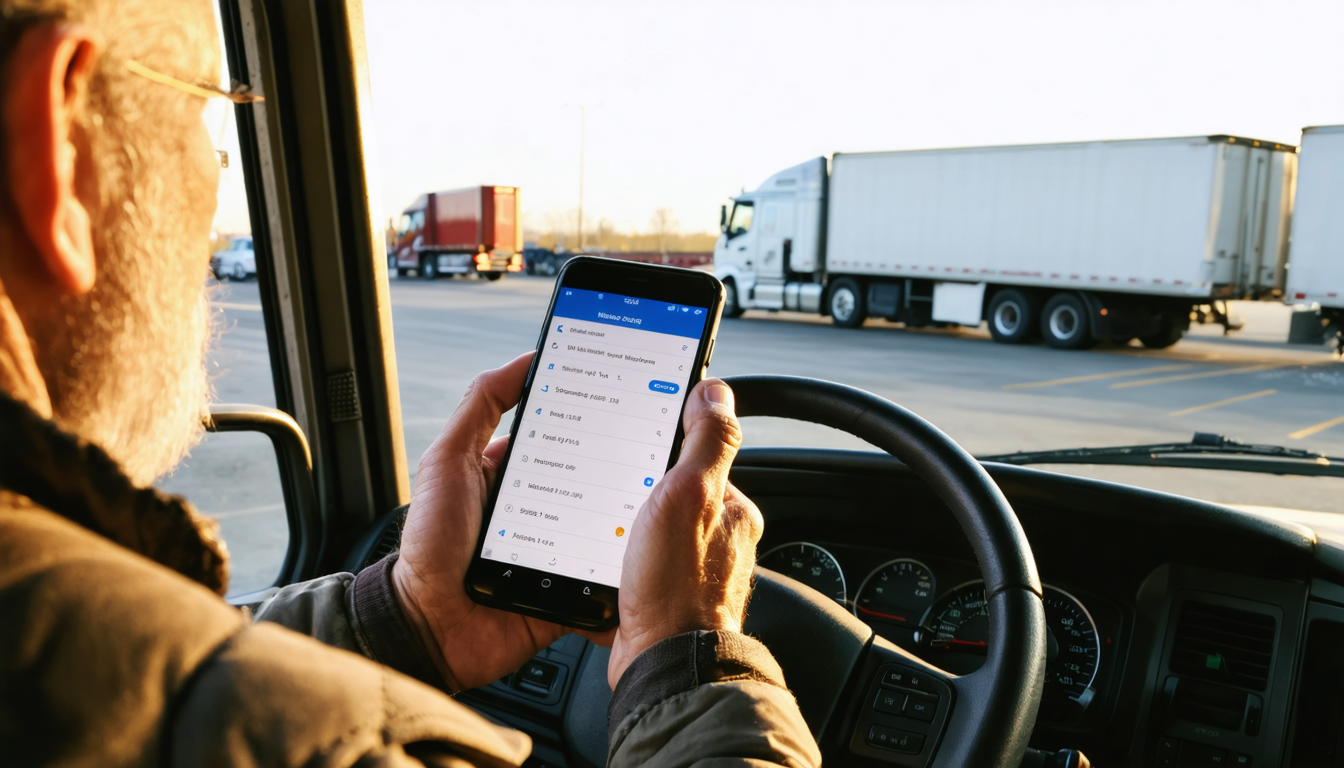
When freight is scarce and rates are high, owner-operators get desperate—and that's when broker fraud thrives. The recent surge in spot rates (up 31% according to the U.S. Bank Freight Payment Index) has tightened capacity, and tight markets breed predators. Shippers and carriers alike are moving faster, vetting less, and trusting more. That's a recipe for getting burned.
The good news: most broker fraud follows predictable patterns. Learn to spot them, and you'll keep your load, your truck, and your money.
The Setup: How Broker Fraud Works
A fraudulent broker typically operates one of two ways. The first is the "load theft" model: they post a load on a loadboard or via email, you haul it, and they disappear before payment is due. The second is the "upfront fee" scam: they promise premium rates or guaranteed loads, then demand a registration fee, fuel deposit, or "insurance deposit" up front. You pay, they vanish.
Both rely on speed and desperation. In a hot market, you're less likely to dig into their history or ask hard questions. That's the vulnerability they exploit.
Red Flag #1: Too-Good-to-Be-True Rates
If a broker is offering rates 20–30% above market average for a standard lane, ask why. A legitimate broker in a tight market doesn't need to overpay—loads move fast anyway. Fraudsters use premium rates as bait. They know you'll accept the load faster and ask fewer questions.
Cross-check the rate against what you're seeing on Doft and other reputable loadboards. If it's a significant outlier, it's a warning sign. Legitimate brokers stay within 5–10% of spot market rates; anything beyond that deserves skepticism.
Red Flag #2: No Verifiable Track Record
Before you accept any load, verify the broker's FMCSA authority number, insurance status, and history. Check the FMCSA's Licensing and Insurance System (SAFER) database. A real broker has an active authority number and verifiable DOT registration.
If they can't provide a number, or if the number doesn't match their company name, stop. If they've been in business less than 6 months, be extra cautious. If they operate under multiple names or their authority was recently reactivated after a lapse, treat it as a red flag.
On Doft, every broker is vetted before they can post loads. That's not a guarantee against fraud, but it's a layer of protection that unvetted channels don't offer.
Red Flag #3: Pressure to Move Fast or Pay Upfront
Fraudsters create artificial urgency. "We need this load moved today or we lose the customer." "You're our only option." "We'll pay you $500 extra if you confirm in the next hour." These are classic pressure tactics.
Legitimate brokers have loads that need to move, but they don't panic. They also don't ask for upfront payment, fuel deposits, or "registration fees." You should never pay money to a broker before you've hauled a load and earned it. Period.
If a broker demands upfront cash, it's fraud. Walk away.
Red Flag #4: Vague Load Details or Changing Terms
A real load has specific pickup and delivery locations, a confirmed weight, a commodity type, and a clear rate. If the broker is vague—"somewhere in Texas," "around 20,000 pounds," "we'll confirm payment after delivery"—that's a problem.
Fraudulent brokers often change terms mid-load. They'll say the pickup is delayed, the delivery address changed, or the payment terms shifted. By the time you realize something's wrong, you're already committed to the haul.
Always get load details in writing. Confirm the shipper's name and phone number independently. Call the shipper directly if you're uncertain. A real shipper will confirm the load; a fake one won't answer or will tell you something doesn't match what the broker said.
Red Flag #5: No Clear Payment Terms or Invoice Process
Before you accept a load, know exactly when and how you'll be paid. Is it net 30? Net 15? Cash on delivery? Does the broker factor invoices, or do you wait for the shipper to pay?
If a broker can't clearly explain their payment process, or if they're evasive about it, that's a warning. Fraudsters often promise fast payment but deliver slow or nonexistent payment. Get payment terms in writing.
What to Do If You Suspect Fraud
If you've already taken a load from a fraudulent broker and haven't been paid, report it to the FMCSA, your state's attorney general, and the FBI's Internet Crime Complaint Center (IC3). Document everything: emails, texts, load confirmations, delivery proof, invoices.
Contact other owner-operators who may have worked with the same broker. Warn your network. Fraudsters often operate under multiple names or shell companies; your experience could protect others.
If you're using a loadboard like Doft, report the fraudulent broker to the platform immediately. Reputable loadboards take fraud seriously and will investigate and remove bad actors.
The Bottom Line
Hot markets are opportunity—but they're also hunting grounds for scammers. Your best defense is skepticism, verification, and trust earned, not assumed. Check FMCSA records. Confirm load details with shippers. Never pay upfront. Get payment terms in writing. If something feels off, it probably is.
Your time and your truck are too valuable to gamble on a broker you don't know. Take an extra 15 minutes to vet them. It's the cheapest insurance you'll buy.
Move freight smarter with Doft
Thousands of loads, instant matching, and fast carrier pay — all in one place.
Sign up free