
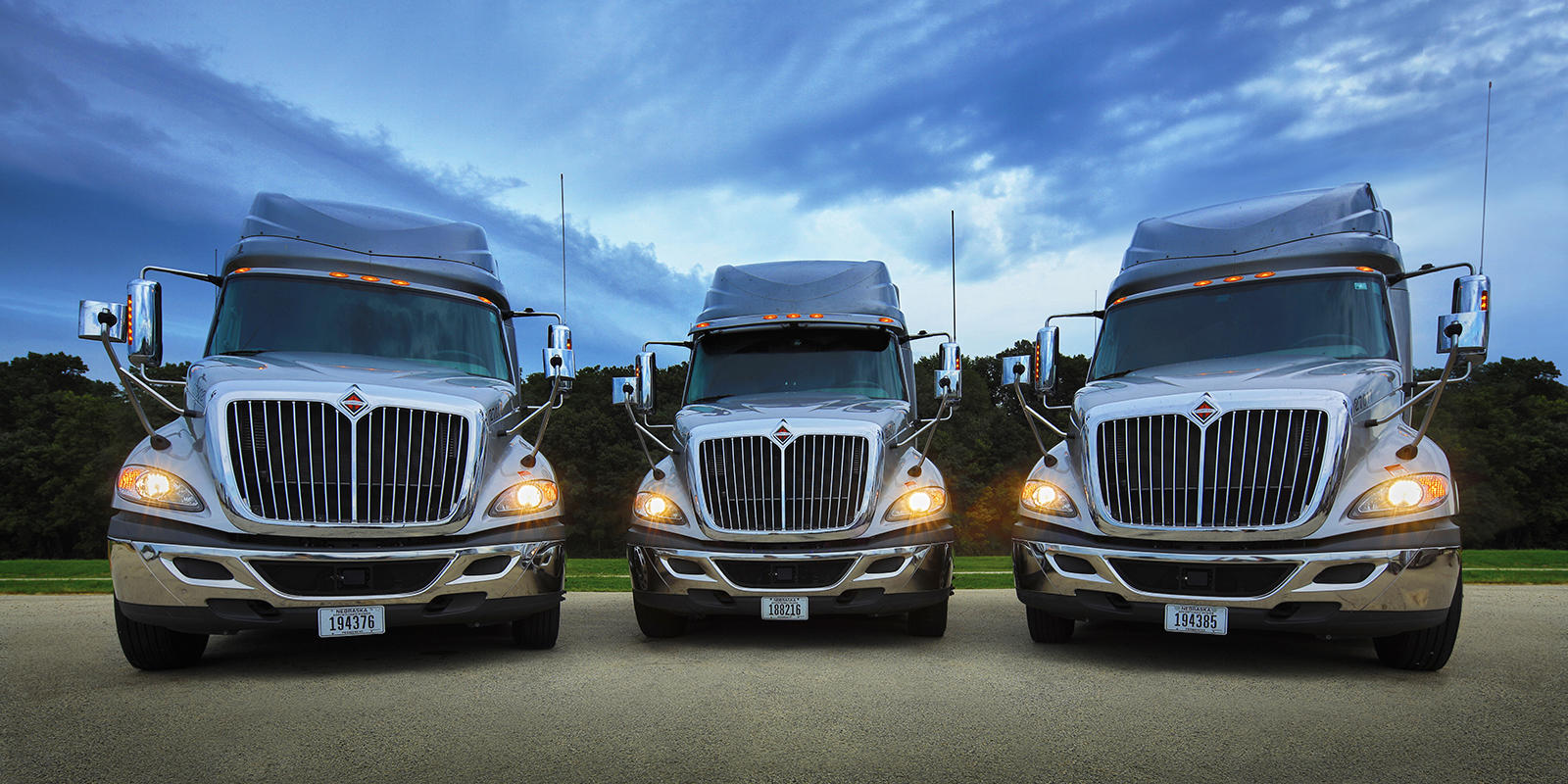
If you are thinking about becoming an owner-operator, there are several things you ought to consider first. It is a major decision that should not be taken lightly.
Almost every truck driver, whether a newbie or a seasoned vet, has at some point dreamed of owning their own big rig and hitting the road for bigger earnings. Some truckers simply will not work as a company driver. They want the independence, freedom, and profit that comes with being an owner-operator. But there are many factors to weigh before jumping in with both feet. Here are ten tips that are vital to owner-operator success.
1. You'll need a healthy cash cushion
Your biggest investment is your truck. It is best to put a solid down payment toward the financing or lease of your rig, which keeps the equipment payments lower and helps you secure the loan.
Some experts argue the opposite, going in with little or no money down so that if something goes wrong, you have not lost a large down payment. Both approaches have trade-offs, but the constant is this: big payments can be a killer.
You will also need working capital when you are starting out, for out-of-pocket expenses, insurance, meals, oil changes, and unexpected repairs. Keep a backup stash for downtime, because new rigs break down too. If you charge expenses to a credit card, budget to pay them off rather than carry them long term.
2. You'll need a good credit rating
A common mistake is getting into the business with bad credit or heavy personal debt. Plenty of finance companies will still put you in a truck with poor credit, but the future is often grim for those drivers because their spending habits never change.
Many carriers offer fuel-card systems that give owner-operators lower fuel prices through the carrier's volume purchasing power. In the end, your spending habits and money management will largely determine your success.
3. Have a stable home life, or none at all
This is an area many drivers underestimate. Being away from a spouse, partner, and family for long stretches can strain even the most stable relationships, and long absences can be hard on families.
Consider any child-custody and scheduling issues too. If you are constantly turning down loads for personal reasons, your rig may sit in the driveway. Think about what is important to you, and make sure the people in your life support the decision.
4. Line up accounting, legal, and business advisers
Get sound advice before going into business. Do not just take a relative's word that there is easy money in owning a truck. What works for one person may not work for another, and legal and accounting issues are best left to experts.
Have a reliable business banking contact, an accountant, and a legal adviser to help with business structure, recordkeeping, tax returns, and compliance. This is a must.
5. Make sure your health is stable
If you have serious health issues, life on the road can make them harder to manage, and getting prompt medical attention can be a real problem. Your equipment payments are still due even when you are ill, so set aside enough cash to get through unexpected downtime, and carry decent health coverage.
Keep in mind that regulators can pull your medical certification over conditions like uncontrolled diabetes or sleep apnea, so stay on top of your health.
6. Be ready for a long-term financial commitment
You are committing years to paying off this investment. Many truckers get bitten by the "gotta have that Pete or Kenworth" bug, so make sure the price tag fits your budget. Looking good rolling down the highway is great, but only if you can keep up with the payments.
When buying your first rig, you will need to decide on several things:
- New or used truck
- How to spec a truck for longevity, reliability, and your type of work
- How much truck you can actually afford
- Fuel economy, which matters more than ever; even a single mile per gallon can make a big difference to your bottom line
One of the smartest moves is to build a solid working relationship with a knowledgeable truck (and trailer) sales rep, ideally someone mechanically inclined or an ex-trucker who can help you spec the right features and find competitive financing.
If you are looking at used trucks, be careful. A lemon can end your career fast, so check the warranty closely. And remember that depreciation and resale on big trucks can be brutal. If you tend to get bored and jump from job to job, owning a truck may not be for you.
7. Independent, or leased to a carrier?
A new owner-operator is usually best off starting out leased to a carrier. The carrier handles operating authority and permits, insurance, plates, trailers, and, of course, the freight. Carriers often provide fuel cards with meaningful savings, and depending on your lease, you may be reimbursed for some tolls.
Running fully independent with your own authority and insurance has its perks, but it carries more risk. Slow customer payment is common, so plan your cash flow carefully. The advice here is to start leased, learn the ropes, and only consider going independent once you have a feel for the business.
8. Choose a carrier carefully
Working for a good carrier is essential, and there are plenty of good ones and bad ones. Look for a carrier with owner-operators who have stayed for a long time, which signals the money has been good enough to keep them around.
Look for a carrier without forced dispatch, so you are not punished for turning down a bad load. And be very cautious with lease-purchase agreements offered by trucking companies, as many drivers find them difficult to ever pay off.
9. Bring plenty of patience
An owner-operator career requires patience, determination, and hard work, but it can be done with proper planning and smart decisions. It can be both profitable and satisfying. The key is to do your thinking before you buy that first truck, because your success depends on it.
10. A great driver is not automatically a great owner-operator
Sharp driving skills and years of experience do not guarantee success as an owner-operator. The job involves far more than driving. You are running a business first and foremost, so make sure you have the business skills, or the support system, to back it up.
The bottom line
Consider all the factors carefully and make notes. Write up a list of pros and cons, and decide whether the challenges you face can be solved. If not, keep driving a company truck until you are in a better position.
Becoming an owner-operator is a big, important decision. It can be a rewarding career, but it is not for everyone. Think it through seriously before taking on the added stress and financial commitment, and you will be far more likely to succeed.
Move freight smarter with Doft
Thousands of loads, instant matching, and fast carrier pay — all in one place.
Sign up free