
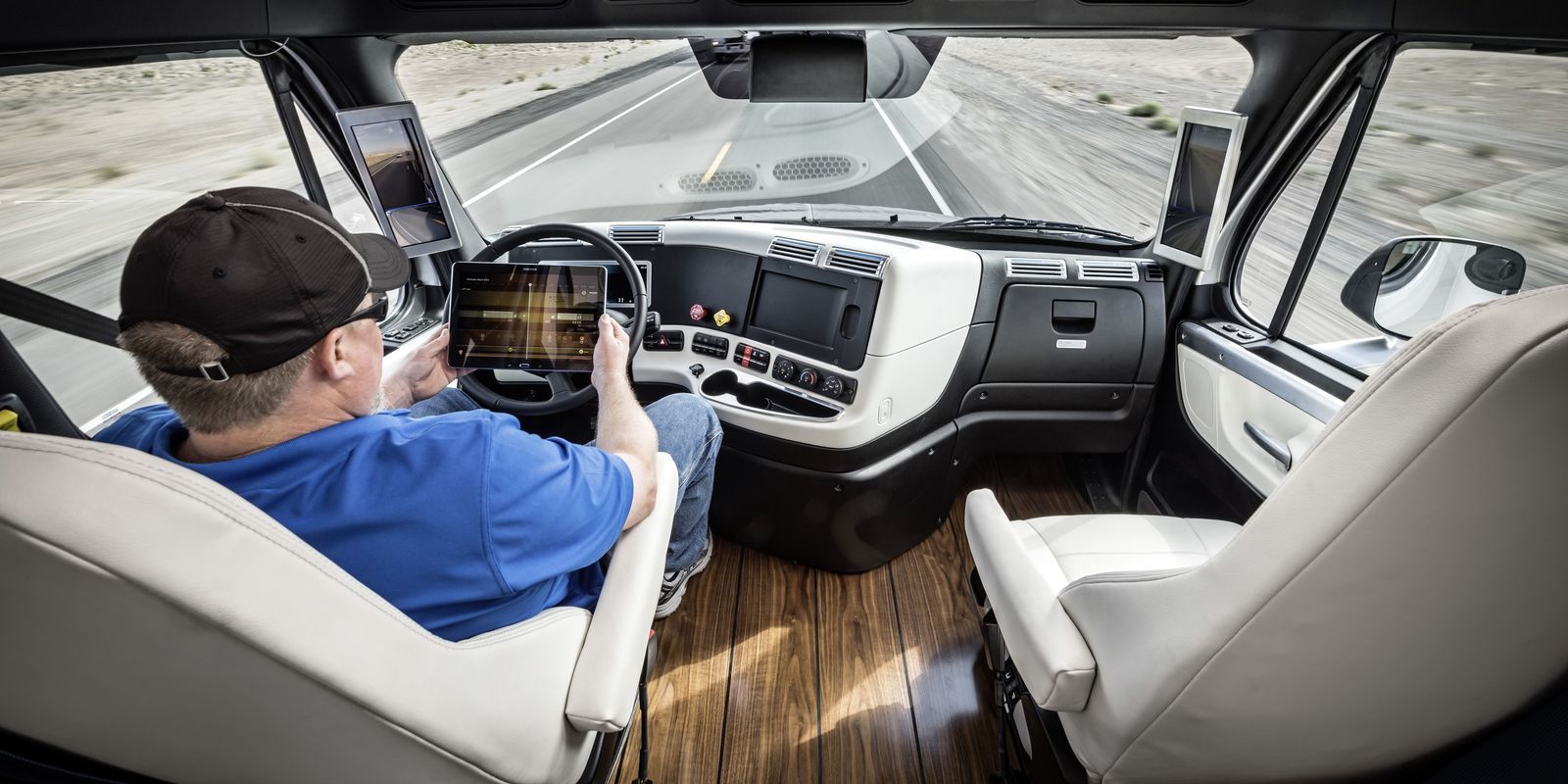
Most airline passengers are comfortable knowing that, at some point in the flight, autopilot is doing the work. Autonomous vehicles still feel further off - yet some of the earliest real-world examples are showing up in the trucking industry.
In one widely reported milestone, a self-driving truck outfitted by Otto, an Uber-owned company, completed a commercial beer delivery for Anheuser-Busch. The truck drove itself along a stretch of Interstate 25 in Colorado, from Fort Collins through Denver to Colorado Springs, with the driver out of the seat for the full 120-mile highway run. Notably, the autonomous portion was highway only - urban streets remain far harder to automate.
Improved Efficiency and Safety
Logistics leaders point to safety, lower emissions, and operational efficiency as the main draws of automated driving systems. The technology is expected to arrive in steps, not all at once.
Industry developers have been candid that this will not happen overnight. For the foreseeable future, drivers will be needed as co-pilots - humans are still essential for navigating city streets, handling pickups and deliveries, and managing the unexpected.
The Jobs Question
The biggest concern is what automation means for driving jobs. Some studies have projected that millions of truck-driving jobs across the U.S. and Europe could eventually be affected. But many inside the industry are skeptical that drivers will disappear.
The American Trucking Associations has argued that drivers will always be needed in and around cities for pickups and deliveries - much like commercial pilots still handle taxiing, takeoff, and landing while autopilot handles cruising altitude.
Drivers themselves are divided but often pragmatic. Many see automation as inevitable and potentially positive for safety, while warning that it could put downward pressure on pay, and that no automated system can be assumed to work 100 percent of the time.
Why Safety Drives the Conversation
The safety case is hard to ignore. The National Highway Traffic Safety Administration has reported thousands of deaths and tens of thousands of injuries each year in crashes involving large trucks, and federal officials have noted that the large majority of crashes trace back to human error.
Many large fleets support advanced driver-assist systems precisely because they can enhance safety while keeping commercial drivers in the loop. Their position is consistent: drivers remain an indispensable asset for managing weather events, emergencies, detours, vehicle conditions, cybersecurity, and cargo security - the real-world judgment calls that keep freight moving.
The takeaway for drivers is that the near-term future is assistance, not replacement. The technology that arrives first will be designed to make the job safer and a bit easier, with a human still firmly in charge.
Move freight smarter with Doft
Thousands of loads, instant matching, and fast carrier pay — all in one place.
Sign up free